

In 1973 Keith Richards jokingly claimed he had his blood changed in Switzerland to quit heroin. This humorous remark turned into a legendary myth within Rolling Stones lore, showcasing his playful defiance.
In 1973 Keith Richards jokingly claimed he had his blood changed in Switzerland to quit heroin. This humorous remark turned into a legendary myth within Rolling Stones lore, showcasing his playful defiance.

Charlie Watts’ drumming style emerged from observation and quiet learning rather than flashy techniques. His patience and humility helped shape The Rolling Stones’ sound, emphasizing restraint and listening over competition.

Keith Richards turns “laziness” into creative fuel, treating downtime as quiet space where music arrives naturally, guided by intuition, timing, and an almost effortless way of listening.

Charlie Watts poured himself into jazz, chasing the touch of Max Roach, convinced that real mastery came from discipline—something he felt too many younger musicians were skipping.

Mick Jagger redefined rock stardom by embracing unpredictability and rejecting conformity. His uninhibited approach transformed performances into captivating displays of calculated chaos, making him a legendary figure in music history.

Keith Richards emphasizes the extraordinary energy and deep bond among The Rolling Stones. Despite challenges in reuniting, their synergy fuels creativity and keeps their legendary performances captivating over time.

Keith Richards inadvertently embarked on a solo career when Mick Jagger’s project pushed him to collaborate with new musicians, leading to the creation of the successful band X-Pensive Winos.

Keith Richards praises Jimi Hendrix as a unique musical genius whose extraordinary style cannot be replicated. Hendrix’s mastery brought chaos to brilliance, making him irreplaceable in the music world.

Brian Jones’ innovative contributions in the Rolling Stones’ 1966 album Aftermath reshaped their sound, introducing various instruments and experimentation that transformed the band into psychedelic rock innovators.

When Keith Richards and Mick Jagger reflected on John Lennon’s death, they revealed the man behind the legend—funny, gifted, free-spirited, and deeply missed by fellow rock icons.

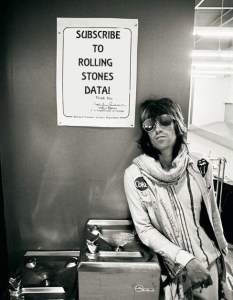 Subscribe to Stones Data here and get all posts delivered to you for free. Everybody got to go!
 Stones Data on Substack