

Keith Richards was convicted in Toronto, but prison never happened. The 1978 verdict produced a remarkably unusual sentence—and another extraordinary chapter in Stones history.
Keith Richards was convicted in Toronto, but prison never happened. The 1978 verdict produced a remarkably unusual sentence—and another extraordinary chapter in Stones history.

In 1969, Charlie Watts briefly stepped into an unexpected role far removed from The Rolling Stones. The quiet drummer apparently had a rather unusual business detour.

Jimmy Miller opened up about Exile on Main St. in 1972, revealing how strange recording spaces, experimentation and plenty of disorder helped shape the Stones’ new album.

Rolling Stones Mick Taylor quits in 1974, ending five years with the band before joining Jack Bruce for a very different musical adventure.

In 1968 Keith Richards says the Rolling Stones are more subversive onstage than ‘Street Fighting Man’. Mick Jagger, naturally, has a few more things to say.

Ronnie Wood’s first Rolling Stones tour brings giant stages, Mick Jagger flying over crowds and an Arkansas arrest. The 1975 American circus is anything but routine.

A 1971 Record Mirror review of Gimme Shelter wasn’t exactly impressed—and its wonderfully blunt headline asked the question: “Who Cares If Mick Don’t Like It?”

The Rolling Stones nearly released a double live album from their explosive 1972 U.S. tour. Then Allen Klein and ABKCO pulled the plug, leaving a fascinating rock ’n’ roll mystery.

In 1972, Time magazine gave The Rolling Stones’ explosive U.S. tour a curious mythological name: “The Triumph of Marsyas.” Here’s what prompted it.

In 1977 The Rolling Stones give the press plenty to chew on as Mick, Keith and Ronnie Wood navigate legal trouble, headlines, relationships and a band in transition.

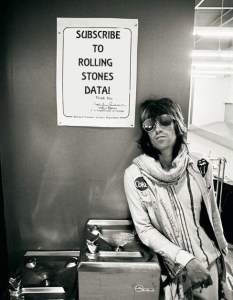 Subscribe to Stones Data here and get all posts delivered to you for free. Everybody got to go!
 Stones Data on Substack