

David Bailey didn’t just photograph the Rolling Stones—he helped shape how the world saw them, from early album covers to his unusually close connection with Mick Jagger.
David Bailey didn’t just photograph the Rolling Stones—he helped shape how the world saw them, from early album covers to his unusually close connection with Mick Jagger.

In 1964, the Rolling Stones tackle Otis Redding’s ‘Pain in My Heart’ and leave behind some intriguing studio fingerprints—including Charlie Watts’ audible bass-drum squeak.

Keith Richards calls it his favorite, yet others label it an uninspired miss. Why did The Rolling Stones struggle to catch the magic of this Chuck Berry-fueled high-speed chase?

The Rolling Stones didn’t just cover ‘I Can’t Be Satisfied’. They gave the blues classic a tougher edge that still feels unpredictable every time it starts playing.

Why did The Rolling Stones tackle ‘Confessin’ the Blues’ in 1964? Explore how the band bypassed simple nostalgia to transform a classic blues standard into their own gritty signature statement.

Antes de los himnos de estadios estaba ‘Off the Hook’. Descubre la cruda historia de cómo The Rolling Stones transformaron un ritmo prestado de Chicago en su propia actitud rockera.

‘Down the Road Apiece’, interpretada por los Rolling Stones, fusiona boogie-woogie, swing y blues con rock, mostrando su energía y madurez musical desde sus inicios en 1964, destacando su conexión con el legado afroamericano.

‘Under the Boardwalk’ is a poignant song blending romance and tragedy, originally recorded by The Drifters and later covered by The Rolling Stones, each version reflecting a unique emotional depth.
Los Rolling Stones, influenciados por Chess Records, reinterpretan el blues ‘Confessin’ the Blues’ de Jay McShann uniendo tradición y evolución musical en un puente creativo atemporal.

The Rolling Stones transformed Dale Hawkins’ ‘Susie Q’ into a powerful rock anthem in 1964, showcasing their raw energy and youthful intensity, marking a pivotal moment in their musical evolution.

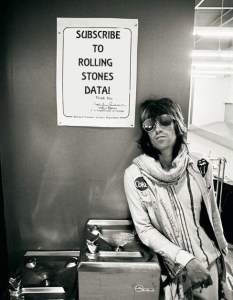 Subscribe to Stones Data here and get all posts delivered to you for free. Everybody got to go!
 Stones Data on Substack