

Before The Rolling Stones, Mick Jagger was a teenage TV personality—climbing rocks with his father in a remarkable 1959 broadcast.
Before The Rolling Stones, Mick Jagger was a teenage TV personality—climbing rocks with his father in a remarkable 1959 broadcast.

How did a mid-60s print magazine shape the band’s wild public image? Step inside the thirty rare issues that offered fans unprecedented access during British Invasion chaos.

Mick Jagger and David Bowie’s live performance of ‘Dancing in the Street’ at Prince’s Trust combined glam and goodwill, showcasing infectious charisma and spontaneity while supporting the Prince’s Trust charity for disadvantaged youth.

From fried chicken to jail cells, The Rolling Stones’ 1975 Arkansas detour remains a bizarre, high-stakes mystery. What really happened when Keith and Ronnie collided with small-town law?

David Bailey didn’t just photograph the Rolling Stones—he helped shape how the world saw them, from early album covers to his unusually close connection with Mick Jagger.

Brian Jones traded rock fame for the whimsical home of Winnie-the-Pooh. Discover why The Rolling Stones’ founder chose this East Sussex estate—and how it became the site of tragedy.

Keith Richards’ daughter flagged it first—The Rolling Stones’ ‘Anybody Seen My Baby?’ sounding a little too close to k.d. Lang’s ‘Constant Craving’ sparked an unexpected twist in 1997.

The Rolling Stones Rock And Roll Circus had stars, circus acts and Brian Jones’ final Stones performance. So why did the band leave it unreleased for 28 years?

The octagonal album cover for The Rolling Stones’ ‘Through the Past, Darkly’ honors Brian Jones and M.C. Escher, reflecting the band’s struggles and creativity during tumultuous times.

The Rolling Stones turned a simple 1981 promo shoot at a neighborhood bar into New York rock mythology. Discover the raw story behind the ‘Waiting On A Friend’ video.

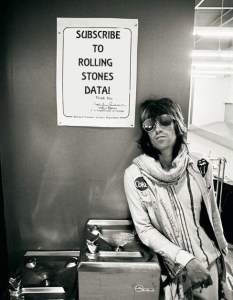 Subscribe to Stones Data here and get all posts delivered to you for free. Everybody got to go!
 Stones Data on Substack