

In 1977, Mick Jagger admitted he could become “a total monster” on the road—then immediately pointed the finger at Keith Richards. Of course he did.
In 1977, Mick Jagger admitted he could become “a total monster” on the road—then immediately pointed the finger at Keith Richards. Of course he did.

Mick Jagger had spent decades conquering stages, but in 2016 he offered a different challenge: knowing your roots is no reason to stop exploring.

Mick Jagger didn’t just play country; he wore it like an ironic costume. Explore the satirical side of The Rolling Stones and why their twangiest hits were always a wink.

Mick Jagger and Keith Richards have very different views on playing live. Their revealing comments explain what keeps The Rolling Stones returning to the stage.

Keith Richards didn’t exactly make friendship with Mick Jagger sound easy. His candid words reveal the private barrier behind their famously complicated relationship.

Before The Rolling Stones, Mick Jagger was a teenage TV personality—climbing rocks with his father in a remarkable 1959 broadcast.

Mick Jagger didn’t glamorize heroin. His blunt quote reveals what he believed addiction really does—and why it changes everything.

Discover the family background behind Mick Jagger and how his early life helped shape the singer who would lead The Rolling Stones into rock history.

Mick Jagger’s thoughts on money are far more practical than many expect. His candid remarks reveal a side of the Rolling Stones rarely discussed.

Why did ‘Tried to Talk Her Into It’ never make the cut? This forgotten Undercover outtake from 1982 reveals another side of the Stones’ creative process.

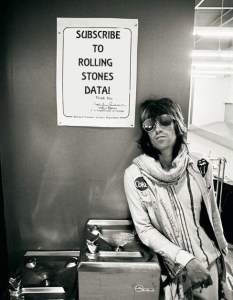 Subscribe to Stones Data here and get all posts delivered to you for free. Everybody got to go!
 Stones Data on Substack