

In 1994, Keith Richards didn’t see The Rolling Stones as a band simply surviving. He saw something stranger: the Stones starting all over again.
In 1994, Keith Richards didn’t see The Rolling Stones as a band simply surviving. He saw something stranger: the Stones starting all over again.

Keith Richards rarely gets sentimental, making his 2009 words about Mick Jagger especially interesting. Discover the surprising respect behind The Rolling Stones’ longest-running partnership.

What were The Rolling Stones really like in the studio during spring 1974? Keith Richards offers a revealing glimpse into the sessions, the atmosphere, and what happened behind the scenes.

Keith Richards heard more than a joke in ‘Far Away Eyes’. He suspected Mick Jagger’s love of Merle Haggard was hiding in plain sight.

Keith Richards reveals how The Rolling Stones turn unfinished tracks from earlier sessions into Tattoo You—an album assembled from the vault when time for something new runs out.

Keith Richards recalls making December’s Children and Aftermath in roughly 10 days, while taking on work Brian Jones normally handled. Pressure, apparently, was the production method.

Keith Richards’ passport became an unexpectedly revealing subject in 1976, offering a glimpse into the strange complications of traveling the world as a Rolling Stone.

Keith Richards emphasizes the importance of spontaneity in rock music, advocating for a creative environment in studios that fosters imagination, allowing for unexpected moments that transform ordinary songs into memorable experiences.

Keith Richards recalls how ‘Jumpin’ Jack Flash’ was inspired by the sound of his gardener’s heavy boots. This random moment led to an iconic rock anthem created by sleep-deprived creativity.

The Rolling Stones didn’t set out to be rock’s premier outlaws; the world simply decided they were. Discover how a convenient media label forced the band to pick a side.

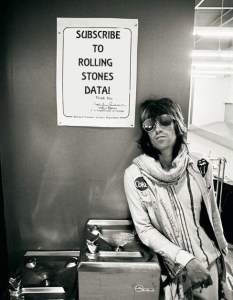 Subscribe to Stones Data here and get all posts delivered to you for free. Everybody got to go!
 Stones Data on Substack