

The Rolling Stones nearly released a double live album from their explosive 1972 U.S. tour. Then Allen Klein and ABKCO pulled the plug, leaving a fascinating rock ’n’ roll mystery.
The Rolling Stones nearly released a double live album from their explosive 1972 U.S. tour. Then Allen Klein and ABKCO pulled the plug, leaving a fascinating rock ’n’ roll mystery.

In 1969, Mick Jagger traded the stage for the movie set, playing an Australian outlaw in Ned Kelly—and the British press suddenly had a new title for him: film star.

In 1964, The Rolling Stones were asked what they thought of their debut album—just as it knocked The Beatles from the top of the charts.

Was Exile on Main St. a triumph or a beautiful disaster? Keith Richards lifts the veil on the chaotic reality of The Rolling Stones at their 1972 creative tipping point.

The Rolling Stones came to Vancouver in 1972 to play rock and roll. Local newspapers seemed far more interested in the trouble they might cause. Guess who got the bigger story?

Rolling Stones unreleased track (actually, Mick and piano) ‘Exile On Main St. Blues’ recorded during the 1972 sessions, offering fans insight into their creative process through a unique flexi disc sampler.

The Rolling Stones electrified Honolulu with a vibrant performance, showcasing dramatic flair and musical versatility. Jagger and Richards captivated 8,500 fans, marking a lively continuation of their dynamic tour.

The Rolling Stones achieved significant popularity in Liverpool after performing at the Cavern Club and collaborating with the Beatles on their hit ‘I Wanna Be Your Man’, showcasing shared musical passions.

In 1968, The Rolling Stones planned a bizarre Africa movie directed by Donald Cammell, featuring Mick Jagger and Keith Richards, yet it ultimately remained unfinished chaos with no official release.

Keith Richards asserts that The Rolling Stones’ live performances embody greater rebellion than their song ‘Street Fighting Man’, focusing on attitude over lyrics, creating electrifying chaos and defiance.

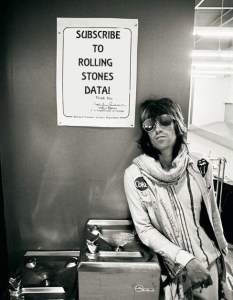 Subscribe to Stones Data here and get all posts delivered to you for free. Everybody got to go!
 Stones Data on Substack