

Jimmy Miller witnessed Exile on Main St. from inside the studio. His recollections challenge the myths surrounding one of The Rolling Stones’ most talked-about albums.
Jimmy Miller witnessed Exile on Main St. from inside the studio. His recollections challenge the myths surrounding one of The Rolling Stones’ most talked-about albums.

Ronnie Wood’s family story begins on England’s canals, not a concert stage. Discover the surprising heritage that shaped The Rolling Stones guitarist long before fame.

Mick Jagger recalls the Rolling Stones recording Emotional Rescue in Nassau, where late sessions with Charlie Watts and Ronnie Wood took an unexpected turn.

Mick Taylor knew the Stones were different from the moment he joined. But what exactly made their style and attitude so unique?

Keith Richards didn’t exactly make friendship with Mick Jagger sound easy. His candid words reveal the private barrier behind their famously complicated relationship.

Keith Richards recalls the 1967 bust, the Stones’ growing war with the British establishment and why Morocco suddenly seemed like the perfect escape.

Keith Richards once told Brian Jones, “You’ll never make thirty.” Decades later, the chilling prediction sounds less like a remark and more like an eerie warning.

In 2015, Keith Richards was asked about The Rolling Stones’ future. His answer revealed how he really viewed the band’s chances of carrying on.

Bill Wyman revealed he barely socialized with The Rolling Stones for about a decade. Drugs were part of the problem, but the real story was far more personal.

Charlie Watts was the Rolling Stones drummer, but jazz was never just a side interest. Discover what he revealed about the music that shaped his ear.

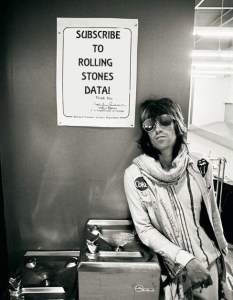 Subscribe to Stones Data here and get all posts delivered to you for free. Everybody got to go!
 Stones Data on Substack