

At the 1967 Monterey Pop Festival, Brian Jones of The Rolling Stones introduced Jimi Hendrix, highlighting a pivotal moment in rock history that showcased chaos, passion, and the essence of the counterculture movement.
At the 1967 Monterey Pop Festival, Brian Jones of The Rolling Stones introduced Jimi Hendrix, highlighting a pivotal moment in rock history that showcased chaos, passion, and the essence of the counterculture movement.

¿John Lennon y Paul McCartney cantaron en «Dandelion» de los Rolling Stones? La respuesta se vuelve sorprendentemente confusa cuando uno se adentra en esta extraña joya psicodélica de 1967.

The Rolling Stones briefly abandoned their usual swagger for ‘She’s a Rainbow’—a psychedelic detour packed with unusual sounds, unlikely collaborators and studio magic.

«Connection» convierte la vida en la carretera de los Rolling Stones en un viaje paranoico y caótico donde aeropuertos, inyecciones y una palabra de significado muy escurridizo terminan chocando.

Why did Mick Jagger decides to use a shimmering harpsichord to settle personal scores? Uncover how ‘Yesterday’s Papers’ transformed tabloid paranoia into the ultimate cynical pop opener.

Brian Jones called Their Satanic Majesties Request “very personal.” Here’s what he said about The Rolling Stones’ strangest 1967 album.

‘Citadel’ convierte 1967 en una olla a presión psicodélica, donde el dinero, el poder y la paranoia urbana chocan bajo uno de los riffs más feroces de los Stones.

Los Rolling Stones imaginaron en ‘2000 Man’ (1967) un futuro raro: personas convertidas en números, amor programado y una incomodidad que hoy suena demasiado real.

The Rolling Stones pushed psychedelic experimentation to the limit with ‘Sing This All Together (See What Happens)’—a sprawling studio trip that originally ran beyond 14 minutes.

The Rolling Stones’ unreleased demo ‘Child of the Moon’ showcases their unique blend of chaos and creativity, highlighting the band’s evolution from psychedelic experimentation to raw authenticity during the late 1960s.

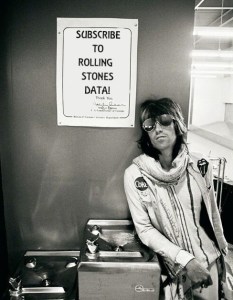 Subscribe to Stones Data here and get all posts delivered to you for free. Everybody got to go!
 Stones Data on Substack