

David Bailey didn’t just photograph the Rolling Stones—he helped shape how the world saw them, from early album covers to his unusually close connection with Mick Jagger.
David Bailey didn’t just photograph the Rolling Stones—he helped shape how the world saw them, from early album covers to his unusually close connection with Mick Jagger.

In 1964, the Rolling Stones tackle Otis Redding’s ‘Pain in My Heart’ and leave behind some intriguing studio fingerprints—including Charlie Watts’ audible bass-drum squeak.

The Rolling Stones found ‘Down Home Girl’ almost by accident. Then they took it to Hollywood, added grit and swagger, and made the obscure R&B track unmistakably theirs.

Recorded at Chess Studios, ‘What a Shame’ found The Rolling Stones deep in Chicago blues territory—and gave Jagger-Richards an important first.

The Rolling Stones took a slow, dirty blues about a rooster and somehow turned it into a UK No. 1. Brian Jones’ slide guitar had plenty to do with it.

‘Heart of Stone’ marca un punto decisivo en la evolución de los Rolling Stones, reflejando madurez y un nuevo enfoque narrativo que desafía expectativas, consolidando su identidad musical y emocional.

The Rolling Stones’ rendition of Bo Diddley’s ‘Mona (I Need You Baby)’ features their distinctive sound, showcasing Jagger’s vocals, Jones’ rhythm, and a tribute to Diddley’s influence on rock music.

The Rolling Stones’ version of ‘Down the Road Apiece’ showcases their energy, merging history with innovation. Keith Richards leads with rhythmic prowess, capturing the essence of rock while paying homage to its roots.
The Rolling Stones embraced their sound and confidence in ‘Down Home Girl’, blending British rock with American soul in 1964.

Barbara Lynn’s ‘Oh Baby (We Got A Good Thing Goin’)’ reflects her blues roots and success, while The Rolling Stones’ energetic cover transformed its sound, marking a significant evolution in their artistic journey.

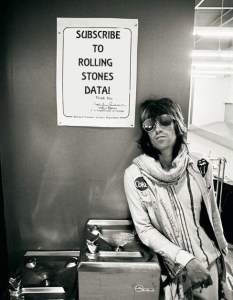 Subscribe to Stones Data here and get all posts delivered to you for free. Everybody got to go!
 Stones Data on Substack