

Charlie Watts was the Rolling Stones drummer, but jazz was never just a side interest. Discover what he revealed about the music that shaped his ear.
Charlie Watts was the Rolling Stones drummer, but jazz was never just a side interest. Discover what he revealed about the music that shaped his ear.

In 1969, Charlie Watts briefly stepped into an unexpected role far removed from The Rolling Stones. The quiet drummer apparently had a rather unusual business detour.

In 1973 Charlie Watts was asked about The Rolling Stones and simply directed the conversation toward Keith Richards. His brief answer said surprisingly much.

Charlie Watts admitted he didn’t understand what Charlie Parker was playing. He simply loved it—and that tells you plenty about the Stones drummer’s lifelong jazz obsession.

In 1997, Keith Richards and Charlie Watts reflect on replacing Bill Wyman with Darryl Jones in The Rolling Stones, blending nostalgia for Bill’s style with appreciation for Darryl’s talent and camaraderie.

Charlie Watts rarely revealed much about his private life. But his account of 1985 is startlingly candid, describing drugs, drinking and becoming someone he barely recognized.

Charlie Watts reveals the surprising secrets behind The Rolling Stones sound, explaining how studio magic, mixing, and unexpected changes helped transform their songs.

The Rolling Stones’ Miami 2019 concert looked like another night on tour. In hindsight, it was something far more significant: Charlie Watts’ final show.

The iconic cover of the Rolling Stones’ live album Get Yer Ya-Ya’s Out!, photographed by David Bailey, embodies rock’s chaotic spirit, symbolizing rebellion and artistic authenticity during a transformative era for the band.

Keith Richards offered one explanation for his stamina. Charlie Watts answered with one sentence that instantly turned the conversation into one of the funniest Rolling Stones interviews ever.

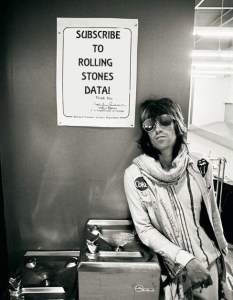 Subscribe to Stones Data here and get all posts delivered to you for free. Everybody got to go!
 Stones Data on Substack