

‘Poison Ivy’, as covered by The Rolling Stones, combines catchy rock with a hidden message about an STD, portraying a femme fatale. It’s a classic Leiber and Stoller creation, showcasing the band’s style evolution.
‘Poison Ivy’, as covered by The Rolling Stones, combines catchy rock with a hidden message about an STD, portraying a femme fatale. It’s a classic Leiber and Stoller creation, showcasing the band’s style evolution.

‘Till the Next Goodbye’ by the Rolling Stones is a poignant breakup ballad showcasing vulnerability and emotional depth, featuring tender instrumentation and reflective lyrics, marking a softer side of the iconic band.

The Rolling Stones’ rendition of Marvin Gaye’s ‘Hitch Hike’ enhances the original’s energy with gritty guitars and blues-rock flair, transforming the song into a rebellious expression of love and pursuit.

The Rolling Stones’ ‘If You Really Want To Be My Friend’ features a gospel-infused ballad, expressing vulnerability and the need for freedom in relationships while showcasing intricate musicianship and heartfelt collaboration.

In 1963, The Rolling Stones transformed Barrett Strong’s song ‘Money’ with their unique sound, showcasing Mick Jagger’s raw vocals and Brian Jones’ harmonica, solidifying their rebellious musical identity.

The Rolling Stones take on ‘Down Home Girl’ shows their raw R&B roots, with gritty vocals and swagger that made the song an underrated early gem.

If ever a song bled pure tension, it’s Fight. Its snarling lines—“Gonna pulp you to a mass of bruises” or “What I want is power, more power ”—aren’t just rock bravado; they’re a mirror of the storm raging inside the Rolling Stones’ camp.

‘Heart of Stone’ by The Rolling Stones showcases their evolution, blending bluesy swagger with dark, rebellious lyrics. The song highlights Jagger’s charm and vulnerability, marking a pivotal moment in their musical journey.

‘100 Years Ago’ by The Rolling Stones blends nostalgia and funk, showcasing Mick Jagger’s reflective lyrics and playful ad-libs. Billy Preston’s clavinet adds energy, while Charlie Watts maintains a rhythmic pulse.

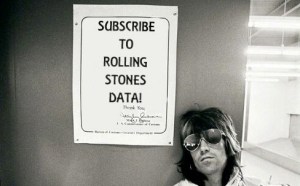
Subscribe to the Stones Data newsletter and get all daily posts delivered to you for free. Everybody got to go!
*Support this site and help us keep sharing great content. Thanks in advance!
