

‘Live with Me’, a Rolling Stones track from 1969, epitomizes the band’s confident transition into a raw sound, blending satire with social critique while marking key musical collaborations and influences.
‘Live with Me’, a Rolling Stones track from 1969, epitomizes the band’s confident transition into a raw sound, blending satire with social critique while marking key musical collaborations and influences.

‘Pass the Wine (Sophia Loren)’ is a rediscovered Rolling Stones track that showcases the band’s relaxed confidence and musical interplay, revealing a nuanced perspective on their Exile on Main St. era.

‘Miss You’ by the Rolling Stones, released in 1978, blends rock and disco, reflecting Mick Jagger’s vulnerability and loneliness. It evolved from spontaneous jams, marking a significant shift in the band’s musical direction.

‘Paint It Black’ by The Rolling Stones explores themes of grief and obsession through innovative rhythms and instrumentation, marking a significant shift towards darker narratives in pop music’s landscape of the 1960s.

The Rolling Stones turned 1967 into sonic chaos—kazoos, sitars, and piano crashes everywhere. ‘Cool, Calm and Collected’ sounds like a studio on the edge of collapse.

‘Suck on the Jugular’ represents a pivotal shift for the Rolling Stones, emphasizing rhythm and physicality over melody, fostering a dance-focused experience while blending confidence and funk without losing their identity.

‘Who’s Been Sleeping Here?’ by The Rolling Stones explores themes of suspicion and jealousy through storytelling, blending humor and unease as the narrator’s imagination fills in unsettling gaps during absence.

‘Sittin’ on a Fence’ by The Rolling Stones captures the narrator’s resistance to social conformity and indecision, reflecting a philosophical skepticism toward settled lives amid a backdrop of mid-1960s cultural unease.

A strange 1968 recording hides in The Rolling Stones archives. Family’ turns domestic life into something unsettling. What were they really trying to say here?

‘Mannish Boy’ symbolizes self-assertion and identity in blues music, showcasing the Rolling Stones’ ability to embody its evolving essence while maintaining its raw confidence and relevance across generations.

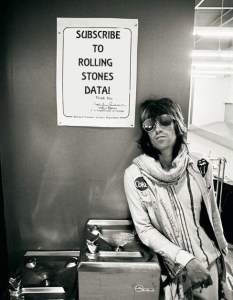 Subscribe to Stones Data here and get all posts delivered to you for free. Everybody got to go!
 Stones Data on Substack