

“It Must Be Hell,” closing The Rolling Stones’ 1983 album Undercover, blends recycled riffs with Cold War politics. Despite Mick Jagger’s intensity and strong performances, it hints at fading brilliance.
“It Must Be Hell,” closing The Rolling Stones’ 1983 album Undercover, blends recycled riffs with Cold War politics. Despite Mick Jagger’s intensity and strong performances, it hints at fading brilliance.

In 1963, The Rolling Stones recorded a gritty version of Bo Diddley’s ‘Diddley Daddy’ at IBC Studios, reflecting their deep blues influence. Mick Jagger’s raw vocals, alongside Brian Jones’ harmonica and Ian Stewart’s lively piano, showcase their early energy. This track, unreleased for decades, later appeared on the 2012 GRRR! Super Deluxe Edition.

The Rolling Stones’ early version of ‘Start Me Up’, featured in the 2021 expanded edition of Tattoo You, showcases its raw origins. Initially recorded in 1977 with a reggae influence, the song transformed into a hit by 1981. The 2021 release highlights its energetic, looser feel before becoming the polished anthem fans know.

The Rolling Stones’ live rendition of ‘Going To A Go Go’, originally by Smokey Robinson and the Miracles, showcases their ability to meld rock with Motown influences. Released from the “Still Life” album in 1982, the energetic track achieved chart success, reaffirming its enduring appeal and the band’s musical versatility.

‘Coming Down Again’ is a poignant Rolling Stones ballad by Keith Richards, blending introspection and melancholy with intricate instrumentation. The song explores themes of reflection and emotional depth through delicate melodies and harmonies.

‘You Can’t Catch Me’, originally written by Chuck Berry, was inspired by a real-life racing incident on the New Jersey Turnpike. Recorded in 1955, the song didn’t chart but became influential. The Rolling Stones later revitalized it in 1964, making it significant for members like Bill Wyman, who cherished its impact on his musical journey.

The Rolling Stones’ ‘Highwire’, released in March 1991, serves as a political statement addressing the Gulf War. Mick Jagger critiques the conflict’s motives while acknowledging war’s complexities. The song showcases impressive musicianship with a triple-guitar arrangement and features backing vocals by Bernard Fowler. It reached number 29 on UK charts.

The Rolling Stones recorded ‘Look What You’ve Done’ in June 1964 at Chess Studios, paying homage to Muddy Waters’ original. Brian Jones’ emotive harmonica elevates the song’s sorrowful narrative, while the entire band brings a British flair to this blues classic. Their rendition highlights the genre’s significance in their musical journey.

‘I’m Going Down’ by The Rolling Stones blends rock essence with gritty rhythm in a concise track from Metamorphosis. While debates over guitar contributions between Keith Richards and Stephen Stills persist, the song’s power lies in its groove. However, the mix suffers from muddiness, impacting overall impact and vocal presence.

‘You Gotta Move’, recorded by The Rolling Stones in late 1969, showcases the band’s first attempt for the album Sticky Fingers. Inspired by Mississippi Fred McDowell, the song captures a raw gospel-blues essence and reflects a deep musical heritage. After several takes, they finally achieved the haunting sound that defines it.

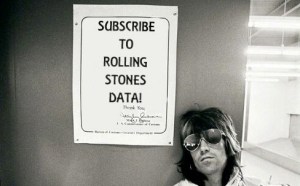
Subscribe to the Stones Data newsletter and get all daily posts delivered to you for free. Everybody got to go!
*Support this site and help us keep sharing great content. Thanks in advance!