

The Pontiac ’81 video showcases the Rolling Stones’ electrifying performance, highlighting Mick Jagger’s charisma and the band’s exceptional chemistry, leaving audiences eagerly anticipating more from this legendary show.
The Pontiac ’81 video showcases the Rolling Stones’ electrifying performance, highlighting Mick Jagger’s charisma and the band’s exceptional chemistry, leaving audiences eagerly anticipating more from this legendary show.

Charlie Watts emphasized jazz’s significant yet often overlooked influence on the Rolling Stones, highlighting its role in their music evolution and urging recognition of its complex contributions beyond rock.

In 1988, Keith Richards released ‘Take It So Hard’ with the X-Pensive Winos, emphasizing his gritty, bluesy rock style. While not a hit, it resonated with fans, showcasing his distinctive artistry.

The Rolling Stones’ 1973 concert at the Forum was criticized for prioritizing spectacle over authentic rock music, revealing a decline in their energy and relevance, making the show feel more like a social event than a genuine performance.

Mick Jagger and Chrissie Shrimpton were a glamorous rock ‘n’ roll couple in the 60s, known for their fleeting romance, with Jagger’s focus shifting to other muses after their breakup.

On February 24, 1995, The Rolling Stones historic performance in Johannesburg celebrated freedom post-apartheid, uniting fans through electrifying music, particularly their standout rendition of “Not Fade Away.”

The unreleased track ‘Talk Is Cheap’ reflects the Rolling Stones’ internal conflicts during the 1985 Dirty Work sessions, showcasing tensions from Jagger’s solo career, Watts’ struggles, and Richards’ frustrations.

‘Yesterday’s Papers’ by The Rolling Stones evolved through various stages, marked by Jagger’s emotional lyrics reflecting his relationship upheaval, and unique instrumentation that showcased the band’s evolving sound and artistry.

‘2120 South Michigan Avenue’ by The Rolling Stones is a renowned studio jam, originally shortened due to EP constraints. A 1982 release featured the full version, showcasing the band’s improvisational talent.

Mick Jagger diminishes his own importance, highlighting the contrast between celebrity and reality, suggesting his iconic status is largely a media construct rather than his personal achievement or ego.

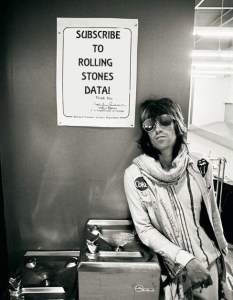 Subscribe to Stones Data here and get all posts delivered to you for free. Everybody got to go!
 Stones Data on Substack