

On April 1, 1965 The Rolling Stones delivered an electrifying performance in Stockholm, showcasing their evolving sound and solidifying their reputation as a dynamic live act during the British Invasion.
On April 1, 1965 The Rolling Stones delivered an electrifying performance in Stockholm, showcasing their evolving sound and solidifying their reputation as a dynamic live act during the British Invasion.

April 1 marks a significant day in Rolling Stones history, highlighting key events from early performances to personal struggles and milestones, reflecting the band’s enduring legacy and evolution over decades.

Mick Jagger’s a rock legend and proud dad of eight kids, each carving their own path—from Hollywood to modeling and music, blending family legacy with their own unique vibes.

The Rolling Stones’ 1976 album Black and Blue marked a departure from their traditional sound, blending funk and reggae, receiving mixed reviews yet achieving commercial success and reflecting significant experimentation.

The Rolling Stones’ unreleased track ‘And I Was a Country Boy’ exemplifies their genre-blurring creativity, featuring a hypnotic instrumental groove that defies traditional country music expectations through innovative soundscapes.

‘Doo Doo Doo Doo Doo (Heartbreaker)’ es una de las canciones más crudas de Goats Head Soup (1973), donde los Rolling Stones abordan la violencia urbana y la injusticia social.

‘I’m a King Bee’ bridges swamp blues and rock, evolving from Slim Harpo’s 1957 original to The Rolling Stones’ 1964 electrifying cover, showcasing transformative influences on music generation.

On March 31 The Rolling Stones transitioned from local gigs in the 1960s to international fame, marked by pivotal tours that showcased their evolving sound and rebellious image amid growing controversies.

In 1974, The Rolling Stones’ ‘It’s Only Rock’n Roll’ marked a shift in their sound with Ronnie Wood’s influence, blending effortless swagger and groove, creating a timeless anthem rich in carefree confidence.

In 1964, Mick Jagger was fined for driving offenses, following a 1962 incident where he faced similar charges. Although these legal troubles attracted media attention, they did not hinder his rise to stardom, enhancing his rebellious image within rock culture.

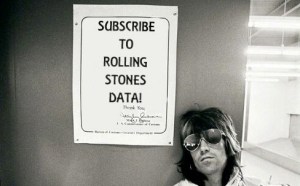
Subscribe to the Stones Data newsletter and get all daily posts delivered to you for free. Everybody got to go!
*Support this site and help us keep sharing great content. Thanks in advance!