

In May 1963, Record Mirror hailed The Rolling Stones as “genuine R&B,” recognizing their authentic sound and raw energy, setting them apart from their polished pop contemporaries and solidifying their musical legacy.
In May 1963, Record Mirror hailed The Rolling Stones as “genuine R&B,” recognizing their authentic sound and raw energy, setting them apart from their polished pop contemporaries and solidifying their musical legacy.

‘Memphis, Tennessee’, a song by Chuck Berry, explores themes of longing and misdirection. The Rolling Stones’ version captures its emotional depth, showcasing Berry’s influence on rock music through simplicity and storytelling.

The Rollin’ Stones, named just before their debut in 1962, became The Rolling Stones post-performance, symbolizing their transformation from a local blues band to a legendary rock force.

‘I Wanna Be Your Man’, gifted by Lennon/McCartney to the Rolling Stones, became a pivotal song that showcased their transition from blues covers to original music, igniting their songwriting journey.

The Rolling Stones’ ‘Stoned’, their first original, showcases early blues influences with a loose jam and surreal lyrics, later overshadowed.

‘Poison Ivy’ by The Rolling Stones, a seductive metaphor for an STD, showcases catchy rock storytelling and clever songwriting.
‘Poison Ivy’, as covered by The Rolling Stones, combines catchy rock with a hidden message about an STD, portraying a femme fatale. It’s a classic Leiber and Stoller creation, showcasing the band’s style evolution.

The Craw-Daddy Rhythm and Blues Club in Richmond attracts jazz enthusiasts with its vibrant rhythm and blues scene, led by the Rollin’ Stones, highlighting a significant shift from traditional jazz.

The Rolling Stones gained attention in 1963 after performing on Thank Your Lucky Stars. Their debut single, a Chuck Berry cover ‘Come On’, quickly rose in the charts. Formed just eleven months earlier, the band aims to showcase rhythm-and-blues music and has a growing fanbase. They plan to tour with the Everly Brothers.

In 1963, the Rolling Stones faced skepticism from record executives due to their non-commercial blues sound. Initially covering American R&B, they found early success with ‘Come On’ but soon realized they needed original material. This shift, driven by Mick Jagger and Keith Richards, marked the beginning of their influential songwriting legacy.

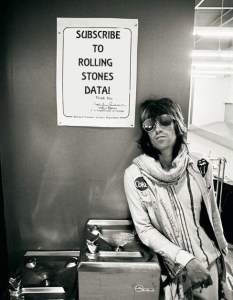 Subscribe to Stones Data here and get all posts delivered to you for free. Everybody got to go!
 Stones Data on Substack