

The Rolling Stones dejaron de lado el estruendo en ‘Play with Fire’. ¿Cómo lograron crear una amenaza silenciosa que todavía hoy se siente peligrosamente real? Entra y descubre el misterio.
The Rolling Stones dejaron de lado el estruendo en ‘Play with Fire’. ¿Cómo lograron crear una amenaza silenciosa que todavía hoy se siente peligrosamente real? Entra y descubre el misterio.

Forget stadium luxury; when The Rolling Stones hit a remote Finnish beach in 1965, things got messy. Discover the hidden story behind the sand-swept chaos of their most unpredictable gig.

The Rolling Stones turn ‘I’m Moving On’ into something sharp and restless in 1965—and somehow a young engineer in the room had no idea what he was about to witness.

At 7 a.m., most of The Rolling Stones were asleep. The song they left behind became one of the band’s strangest warnings. Why does ‘Play with Fire’ still feel dangerous?

The Rolling Stones Got LIVE If You Want It! 1965 EP was captured mid-chaos in Britain, with crowd chants, raw blues takes, and lost recordings still raising questions about what really happened on those nights.

Marvin Gaye’s ‘Hitch Hike’ started as Motown smoothness—then The Rolling Stones grabbed it and stripped it down to raw guitar chaos. Ever heard this version?

In 1965 The Rolling Stones released a live EP showcasing their raw energy and attitude. Despite poor recording quality, it captivates fans with a thrilling, unfiltered sound that defines early rock ‘n’ roll.

The Rolling Stones’ ‘The Under Assistant West Coast Promotion Man’ satirizes the music industry, blending humor with blues-rock and showcasing the band’s evolving lyrical maturity and growing confidence in 1965.

In 1965 The Rolling Stones ignited chaos during a concert in Fresno, California, as frenzied fans stormed the stage, exemplifying their explosive rise and cementing their status as rock’s rebellious icons.

‘Ride On Baby’, a forgotten Rolling Stones track from the Aftermath era, showcases their pop experimentation and sharp lyricism, revealing the band’s shift from blues to adventurous studio craftsmanship.

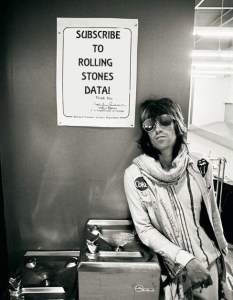 Subscribe to Stones Data here and get all posts delivered to you for free. Everybody got to go!
 Stones Data on Substack