

‘Waiting On a Friend’, a classic by The Rolling Stones, originated during 1972 sessions in Jamaica. It evolved slowly, retaining its essence, before its 1981 release on the Tattoo You album.
‘Waiting On a Friend’, a classic by The Rolling Stones, originated during 1972 sessions in Jamaica. It evolved slowly, retaining its essence, before its 1981 release on the Tattoo You album.

‘Rip This Joint’ by The Rolling Stones is a frenetic, high-energy song reflecting the band’s chaotic live performances and capturing America’s spirit through rapid lyrics and dynamic instrumentation.

In March 1972, The Rolling Stones refined their raw sound at Sunset Sound Studios, finishing Exile on Main St. through meticulous layering of blues, rock, and gospel, solidifying their musical legacy.

The Rolling Stones’ version of ‘Shake Your Hips’ pays tribute to Slim Harpo’s Louisiana blues, merging sensual vocals and intricate guitar work, creating a lively homage while preserving the original’s hypnotic essence.

Robert Johnson’s ‘When You Got a Good Friend’, recorded in 1936, reflects timeless themes of love and heartbreak through his soulful voice and intricate guitar work, influencing future musicians profoundly.

Mick Jagger, fluent in French, enhances The Rolling Stones’ European concerts with personal interactions, jokes, and banter, creating memorable experiences that deepen audience connections beyond the music.

In May 1972, the Rolling Stones recorded ‘Bluesberry Jam’, an unreleased blues track in Montreux, capturing spontaneous creativity with raw energy, showcasing their intimate connection to the genre and each other.

‘Brown Leaves’, an unreleased Rolling Stones track, evolved from a 1972 jam in Jamaica to a 1978 revisit in France, embodying the band’s creative spirit while hinting at its untapped potential.

Keith Richards reflects on his legendary partying experiences, noting the blurred lines of reality and memory. These wild nights not only defined his rock star status but also shaped the mythos of The Rolling Stones.

‘Sweet Black Angel’ by The Rolling Stones is a subtle protest song inspired by Angela Davis, intertwining Caribbean rhythms with acoustic textures to convey empathy rather than confrontation, showcasing the band’s rare political moment.

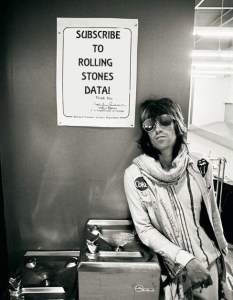 Subscribe to Stones Data here and get all posts delivered to you for free. Everybody got to go!
 Stones Data on Substack