

In 1976 Mick Jagger acknowledged the Rolling Stones’ legendary status while asserting they are often overestimated. His humble, candid remarks reflect his personality and the band’s raw, timeless charm.
In 1976 Mick Jagger acknowledged the Rolling Stones’ legendary status while asserting they are often overestimated. His humble, candid remarks reflect his personality and the band’s raw, timeless charm.

In August 1976 The Rolling Stones delivered a legendary performance at Knebworth Fair, overcoming chaos and delays to play their longest set ever for up to 200,000 fans, solidifying their status in rock history.

Back in ’76, the Rolling Stones stirred major controversy with their Black and Blue ads. A huge Sunset Boulevard billboard showed model Anita Russell tied up, with text like, “I’m ‘Black and Blue’… and I love it!”

Controversy doesn’t follow the Rolling Stones—they chase it. While their music may offend some, nothing riles up the masses faster than one of their provocative album covers.

The Rolling Stones’ 1976 album Black and Blue received mixed reviews, reflecting a transitional phase for the band. Despite criticism of its cohesion, it achieved commercial success and has since gained appreciation for its stylistic diversity.

The Rolling Stones performed in Zagreb on June 21, 1976, captivating an enthusiastic audience despite the sweltering heat and initial skepticism. The concert featured a dynamic setlist, including hits from Black and Blue and a guest performance by Billy Preston. Ultimately, the crowd left satisfied, even without ‘Satisfaction’.

On June 11, 1976, The Rolling Stones made their Spanish debut at Barcelona’s Monumental bullring, captivating 11,000 fans. This marked the start of a long partnership with promoter Gay Mercader. Despite future challenges, including political disputes, the band’s influence grew, solidifying their legacy in Spain’s cultural landscape.

In 1976, The Rolling Stones embarked on a controversial European tour, showcasing their musical energy while Keith Richards faced scrutiny for his drug use. Despite accusations labeling him a “pusher,” Richards remained a vital performer, solidifying the band’s image as rock-and-roll outlaws while delivering captivating shows and iconic songs.

Bill Wyman’s second solo album, Stone Alone (1976), marks his departure from the Rolling Stones’ sound, showcasing his versatility across rock, blues, and pop. The album features personal lyrics and a mix of instruments, reflecting Wyman’s introspective thoughts on life and fame. Although not commercially successful, it has garnered a dedicated following.

On May 30, 1976, The Rolling Stones electrified a crowd of over 40,000 fans at Zuiderparkstadion in The Hague, Netherlands, during their first European tour in three years. The setlist included new tracks from their recent album Black and Blue along with classics, highlighting the band’s dynamic performance despite challenging weather.

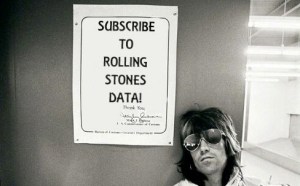
Subscribe to the Stones Data newsletter and get all daily posts delivered to you for free. Everybody got to go!
*Support this site and help us keep sharing great content. Thanks in advance!