

Trading stadium polish for pure, snarling adrenaline, The Rolling Stones hit Detroit’s Masonic Temple in 1978 to silence the critics. See how the band reclaimed their raw, dangerous rock roots.
Trading stadium polish for pure, snarling adrenaline, The Rolling Stones hit Detroit’s Masonic Temple in 1978 to silence the critics. See how the band reclaimed their raw, dangerous rock roots.

When The Rolling Stones hit Buffalo in 1978, they ditched the props for raw, punk-infused swagger. Was this the night the band officially reclaimed their rock and roll crown?

Was Some Girls just an album, or a direct report from a collapsing city? Discover how the grit of 1978 New York City forced The Rolling Stones to reinvent themselves.

Punk was busy declaring a revolution. Keith Richards had other ideas. The Rolling Stones guitarist delivered a 1978 verdict that still sparks debate today.

The Rolling Stones sneaked into Atlanta as “The Cockroaches” in 1978. One historic theater, one secret show, and a crowd that had no idea what hit them.

The Rolling Stones turn Hank Williams’ ‘You Win Again’ into a loose late-night studio moment—Keith on piano, pedal steel drifting, and nothing quite behaving as expected.

‘Claudine’ showed The Rolling Stones at their boldest—dripping with Chuck Berry flair. Written for Some Girls in 1978, it recounted Claudine Longet’s infamous shooting of Spider Sabich, a scandal too controversial for release.

Keith Richards and John Lennon shared a complex relationship of rivalry and respect, marked by playful antics and mutual admiration, embodying the rebellious spirit of 1960s rock ’n’ roll.

La canción ‘Some Girls’ de los Rolling Stones, escrita por Jagger y Richards, ofrece una visión cruda y provocadora sobre las relaciones y el deseo, desafiando convenciones con ironía y cinismo.

In the late 1970s The Rolling Stones coexisted with punk rock, acknowledging its rebellious spirit while retaining their own style, ultimately blending punk’s urgency with their established rock identity.

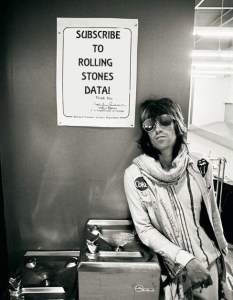 Subscribe to Stones Data here and get all posts delivered to you for free. Everybody got to go!
 Stones Data on Substack