

Brian Jones watched as clowns and rock gods collided. Was the chaotic Rock and Roll Circus the moment The Rolling Stones finally lost their grip, or a stroke of genius?
Brian Jones watched as clowns and rock gods collided. Was the chaotic Rock and Roll Circus the moment The Rolling Stones finally lost their grip, or a stroke of genius?

Ethan Russell’s last photo session with Brian Jones and The Rolling Stones in 1969 captured the band’s emotional decline, reflecting tension and the impending departure of its founding member just weeks before his death.

At the 1967 Monterey Pop Festival, Brian Jones of The Rolling Stones introduced Jimi Hendrix, highlighting a pivotal moment in rock history that showcased chaos, passion, and the essence of the counterculture movement.

Brian Jones, a pioneering sound innovator for The Rolling Stones, transformed music through his fearless exploration of varied instruments, shaping British rock long before psychedelia emerged, as noted by Bill Wyman.

Pat Andrews, mother of Brian Jones’ second child Julian, represents a neglected aspect of rock history, highlighting the personal struggles and consequences behind the fame of The Rolling Stones.

In his last interview in 1969, Brian Jones expressed vulnerability and defiance, revealing his separation from The Rolling Stones and dreams of musical independence before his untimely death days later.

Mick Jagger commemorated Brian Jones at the Rolling Stones’ Hyde Park concert on July 5, 1969, blending heartfelt tribute with vibrant performances, marking a transformative moment for the band.

By 1964, The Rolling Stones emerged as a rebellious force in music, embodying defiance and frustration against conformity, while their raw sound and provocative image resonated deeply with a generation seeking authenticity.

In June 1969 at Cotchford Farm, once home to Winnie the Pooh’s creator, Brian Jones confronted the end of his Stones era as Mick, Keith, and Charlie discussed the band’s future.

Brian Jones innovatively blended ancient Moroccan music with modern studio techniques, creating a pioneering sound that shaped psychedelic rock, highlighting the Rolling Stones’ adventurous spirit and cultural immersion.

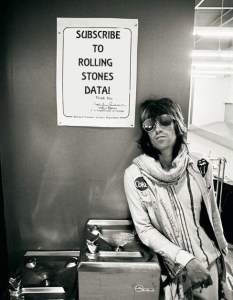 Subscribe to Stones Data here and get all posts delivered to you for free. Everybody got to go!
 Stones Data on Substack