

In 1997, Keith Richards and Charlie Watts reflect on replacing Bill Wyman with Darryl Jones in The Rolling Stones, blending nostalgia for Bill’s style with appreciation for Darryl’s talent and camaraderie.
In 1997, Keith Richards and Charlie Watts reflect on replacing Bill Wyman with Darryl Jones in The Rolling Stones, blending nostalgia for Bill’s style with appreciation for Darryl’s talent and camaraderie.

Charlie Watts, the heartbeat of the Rolling Stones, felt intense nerves before each performance, believing that anxiety reflected his passion for music and perfection, unlike his carefree bandmates.

Charlie Watts reflected on The Rolling Stones’ journey from rigorous early performances to current luxury touring, emphasizing their unwavering commitment to being a dedicated, hardworking band despite gaps in their schedule.

On August 30, 2019, the Rolling Stones performed their final concert with Charlie Watts at Hard Rock Stadium in Miami, marking a significant moment in rock history and honoring Watts’ legendary impact.

Charlie Watts emphasized jazz’s significant yet often overlooked influence on the Rolling Stones, highlighting its role in their music evolution and urging recognition of its complex contributions beyond rock.

Charlie Watts emphasized the challenges of touring, noting the pressure on reputation and the uncertainty of band chemistry. Despite missing the road, rehearsals were often frustrating, revealing a complex relationship with performance.

Charlie Watts, the Rolling Stones drummer, valued musical unity over personal accolades, believing his subtle style and restraint were essential. His legacy lies in his artistry and collective energy rather than individual glory.

Charlie Watts praised Otis Redding’s dynamic performances, illustrating the respect between Redding and Mick Jagger, highlighting Redding’s influence on Jagger’s stage presence and emotional delivery in music.

Charlie Watts expressed skepticism about the Rolling Stones being labeled as “The Greatest Rock ’N’ Roll Band In The World” by tour manager Sam Cutler, citing influences like Little Richard and Chuck Berry. Cutler, however, played a crucial role in enhancing the band’s live experience with his dramatic introductions, solidifying their legendary status.

On June 7, 1970, Charlie Watts participated in a photo shoot for the Rolling Stones’ live album, Get Yer Ya-Ya’s Out! Legendary photographer David Bailey captured Watts with a donkey, inspired by Bob Dylan’s lyrics. The album, released later that year, reflects the band’s electrifying energy.

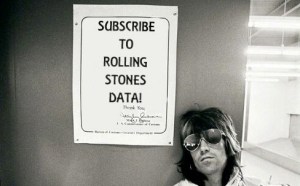
Subscribe to the Stones Data newsletter and get all daily posts delivered to you for free. Everybody got to go!
*Support this site and help us keep sharing great content. Thanks in advance!