

In 1976 The Rolling Stones hit Europe with Ronnie Wood, Black and Blue swagger and a tour where even Switzerland came with its own headline.
In 1976 The Rolling Stones hit Europe with Ronnie Wood, Black and Blue swagger and a tour where even Switzerland came with its own headline.

In 1969, Mick Jagger traded the stage for the movie set, playing an Australian outlaw in Ned Kelly—and the British press suddenly had a new title for him: film star.

Nearly 35,000 fans screamed for The Rolling Stones in 1973, while newspapers went wild too. Here’s how the Stones conquered Australia and New Zealand.

In 1964, The Rolling Stones were asked what they thought of their debut album—just as it knocked The Beatles from the top of the charts.

The Rolling Stones hit Chicago in 1975 with a silver lotus, giant balloons, Ronnie Wood and buckets of water. The Chicago Tribune had plenty to say.

The Rolling Stones seemed unstoppable in 1965—until one ambitious move turned into a surprisingly costly failure that history largely forgot.

Court cases, new offices, and a fresh musical direction—1968 found The Rolling Stones creating through chaos. The story behind The Stones Are Rolling Again! is richer than expected.

Was Exile on Main St. a triumph or a beautiful disaster? Keith Richards lifts the veil on the chaotic reality of The Rolling Stones at their 1972 creative tipping point.

The Rolling Stones took a Lennon–McCartney song, added a tougher edge, then hid an odd little instrumental on the flip side. The result was stranger—and stronger—than expected.

The Rolling Stones came to Vancouver in 1972 to play rock and roll. Local newspapers seemed far more interested in the trouble they might cause. Guess who got the bigger story?

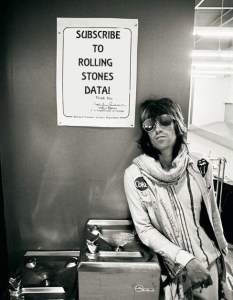 Subscribe to Stones Data here and get all posts delivered to you for free. Everybody got to go!
 Stones Data on Substack