

Mick Jagger emphasized that The Rolling Stones sought a temporary bassist not for technical brilliance but for adaptability and chemistry, prioritizing fit over skill to maintain their unique band dynamic.
Mick Jagger emphasized that The Rolling Stones sought a temporary bassist not for technical brilliance but for adaptability and chemistry, prioritizing fit over skill to maintain their unique band dynamic.

The Rolling Stones’ ‘The Under Assistant West Coast Promotion Man’ satirizes the music industry, blending humor with blues-rock and showcasing the band’s evolving lyrical maturity and growing confidence in 1965.

In 1995 The Rolling Stones performed intimate shows at Amsterdam’s Paradiso, showcasing their raw musicianship and revisiting classics, proving they thrived in smaller settings despite their stadium reputation.

In 1982, The Rolling Stones launched their European Tour in Aberdeen with high energy and classic hits, captivating fans with a loud, chaotic performance that embodied their legendary rock spirit.

May 26 marks significant events in Rolling Stones history, including the delayed release of Exile On Main St. in 1972 and emotional reunions, reflecting the band’s chaotic yet brilliant legacy in rock music.

May 25 holds significant emotional weight for Rolling Stones fans, marking a day filled with reflections on the band’s tumultuous history, performances, and the impact of co-founder Ian Stewart’s passing.

Keith Richards views music as a process of receiving, shaping, and passing ideas along, emphasizing creativity as instinct and collaboration rather than ego, ensuring The Rolling Stones’ enduring relevance.

Mick Jagger escribió ‘2,000 Light Years From Home’ en prisión convirtiendo su angustia en lírica psicodélica. La canción es un viaje cósmico que explora la soledad y la expansión de la conciencia.

‘Rocks Off’ is a chaotic, compelling opener to Exile on Main St., capturing themes of addiction and decline through vivid lyrics and powerful instrumentation, showcasing the raw essence of rock ‘n’ roll.

In 2018, The Rolling Stones electrified London Stadium, showcasing their enduring energy and connection with fans. The performance blended nostalgia with undeniable swagger, proving rock ‘n’ roll remains vibrantly alive.

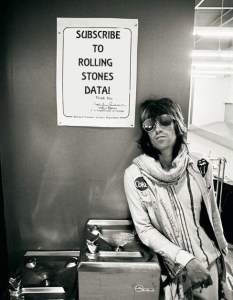 Subscribe to Stones Data here and get all posts delivered to you for free. Everybody got to go!
 Stones Data on Substack