Like what you see? Help keep it going! This ad-free site runs on the support of readers like you. Your donation helps cover costs and keeps fresh content coming your way every day. Thank you!
“They’re the worst”, the National Federation of Hairdressers say about The Rolling Stones
In 1964, The Rolling Stones proved that even a haircut could spark controversy. As the band’s fame exploded, their shaggy, rebellious look drew criticism from Britain’s National Federation of Hairdressers, who called their style ugly and a bad influence on youth. What seemed like a simple fashion dispute actually revealed a deeper cultural shift happening across the UK. The Stones’ messy hair became a symbol of freedom, youth identity, and resistance to old-fashioned rules. Instead of hurting them, the backlash only boosted their outlaw image, showing how The Rolling Stones turned style into a statement.
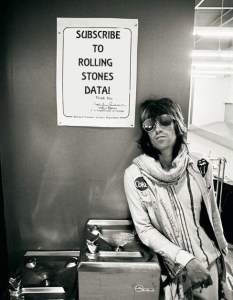
On April 22 1964 the President of The National Federation of Hairdressers offered a free haircut to the next No. 1 group in the UK pop charts. He said the Stones “are the worst, one of them looks as if he’s got a feather duster on his head.” *All photos from the Bob Bonis Archive
More about the National Federation of Haidressers vs. The Rolling Stones in 1964
*By Marcelo Sonaglioni
In 1964 The Rolling Stones found themselves at the center of a lighthearted yet telling cultural clash involving the National Federation of Hairdressers in Britain. By this time, the Stones were rapidly gaining notoriety, not only for their music but also for their rebellious image, which stood in stark contrast to the clean-cut standards of the early 1960s. Their untamed, shaggy hairstyles became a hallmark of their defiant persona, symbolizing the growing divide between the establishment and the youth-driven counterculture.
The National Federation of Hairdressers, representing traditional grooming standards, saw the Stones’ unkempt look as a direct challenge to societal norms. They publicly criticized the band, branding their hairstyles as “ugly” and a poor influence on the younger generation. This critique, while seemingly superficial, reflected deeper anxieties about the shifting cultural landscape. The Stones’ unruly locks were emblematic of a larger rebellion against the conformity of post-war Britain, resonating with youth who sought to carve out their own identity.
Shaggy Haircuts as Rebellion: Stones vs. Hairdressing
The band’s response to such criticisms was, unsurprisingly, one of indifference or amusement. They recognized that their “ugly haircuts” only fueled their image as anti-establishment provocateurs. For the Stones, the controversy was free publicity, cementing their status as icons of the emerging rock and roll ethos.
The clash with the National Federation of Hairdressers underscores how something as simple as a hairstyle could become a symbol of generational change. In hindsight, the uproar seems quaint, yet it highlights how The Rolling Stones helped redefine cultural norms by challenging traditional standards of appearance, paving the way for the broader social revolutions of the 1960s. Their shaggy haircuts weren’t just a fashion choice—they were a declaration of independence.
Like what you see? Help keep it going! This site runs on the support of readers like you. Your donation helps cover costs and keeps fresh Rolling Stones content coming your way every day. Thank you!


 Stones Data on Substack