

‘Hey Crawdaddy’, an unreleased Rolling Stones track, served as a ritual farewell reflecting the band’s transition from club performers to emerging icons during their memorable April 1965 Paris concert.

Periodista/ traductor freelance - Freelance journalist/ translator
‘Hey Crawdaddy’, an unreleased Rolling Stones track, served as a ritual farewell reflecting the band’s transition from club performers to emerging icons during their memorable April 1965 Paris concert.

The Rolling Stones turned 1967 into sonic chaos—kazoos, sitars, and piano crashes everywhere. ‘Cool, Calm and Collected’ sounds like a studio on the edge of collapse.

January 8 in Rolling Stones history showcases their journey through persistence and scandals, from early performances to legendary moments, reflecting their enduring attitude and musical impact over the decades.

Keith Richards revealed that the iconic Tattoo You album largely comprised unfinished tracks from earlier sessions, showcasing the Rolling Stones’ ability to rework and polish old ideas into classic rock.

In April 1972 the NME highlighted the Rolling Stones’ ‘Tumbling Dice’ showcasing its classic rock energy, charm, and evolution from an earlier concept while reflecting the band’s gambling-themed inspirations at Nellcôte.

‘Never Make Me Cry’ is an unreleased Rolling Stones track from the Some Girls sessions, showcasing a softer, introspective side of the band with mellow guitars and gentle vocals, highlighting their musical versatility.

‘Suck on the Jugular’ represents a pivotal shift for the Rolling Stones, emphasizing rhythm and physicality over melody, fostering a dance-focused experience while blending confidence and funk without losing their identity.

January 7 highlights the Rolling Stones’ dynamic history, including key performances, the passing of blues pioneer Cyril Davies, and pivotal recordings, showcasing their evolving impact on rock ’n’ roll.

Keith Richards reflects on America’s transformation from a carefree fantasy in the early ’60s to a politically charged landscape by 1969, highlighting youth activism and cultural shifts influencing the Rolling Stones.

In October 1971 Mick and Bianca Jagger joined a Paris march supporting activist Angela Davis, blending celebrity with activism, which inspired the Rolling Stones’ tribute song “Sweet Black Angel” shortly after.

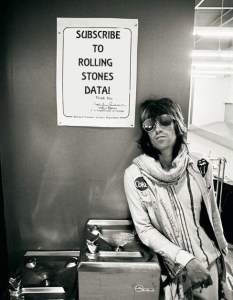 Subscribe to Stones Data here and get all posts delivered to you for free. Everybody got to go!
 Stones Data on Substack