

In 1967, Mick Jagger modified the Rolling Stones’ lyrics on The Ed Sullivan Show from “Let’s Spend the Night Together” to “Let’s Spend Some Time Together” due to censorship, highlighting rock’s rebellious spirit versus mainstream conservatism.

Periodista/ traductor freelance - Freelance journalist/ translator
In 1967, Mick Jagger modified the Rolling Stones’ lyrics on The Ed Sullivan Show from “Let’s Spend the Night Together” to “Let’s Spend Some Time Together” due to censorship, highlighting rock’s rebellious spirit versus mainstream conservatism.

‘The Golden Mile’, an unreleased Rolling Stones track from 1982, showcases their experimental creativity during the Undercover sessions, blending punk energy with classic Stones swagger, leaving fans intrigued.

Ditching their signature swagger for a gritty, off-kilter persona, The Rolling Stones turned ‘Factory Girl’ into a bizarre folk masquerade. See why this strange experiment still feels so unsettling.

On December 23 key events in Rolling Stones history include the 1966 release of Glyn Johns’ single featuring Brian Jones and the 1974 farewell concert of The Faces in London.

The story behind ‘Ruby Tuesday’ highlights Brian Jones’ creative contributions, Keith Richards’ emotional inspiration from Linda Keith, and the song’s successful release as part of the Rolling Stones’ “Between the Buttons” album.

This unreleased take of the Rolling Stones track ‘No Use in Crying’ an exhibits emotional depth and restraint, reflecting acceptance of loss through intimate instrumentation, highlighting the band’s range beyond typical bravado.

The Rolling Stones’ version of ‘Down the Road Apiece’ showcases their energy, merging history with innovation. Keith Richards leads with rhythmic prowess, capturing the essence of rock while paying homage to its roots.

December 22 is a rare blank space in the Rolling Stones’ turbulent story—no milestones, no chaos, just an odd pause where a band built on motion briefly stands still.

Elvis Presley transformed ‘Hound Dog’ from a gritty blues song into a cultural phenomenon with his dynamic vocals and rhythm. The Rolling Stones later honored this legacy with a live cover in 1978.

‘Sweet Neo Con’ critiques political hypocrisy, focusing on power dynamics post-9/11, reflecting cultural cynicism. The Rolling Stones confront figures like Bush and Cheney, blending personal conviction with a bold musical approach.

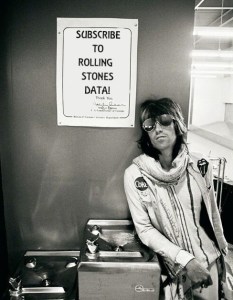 Subscribe to Stones Data here and get all posts delivered to you for free. Everybody got to go!
 Stones Data on Substack