

Mick Jagger emphasizes adaptability and audience connection as keys to The Rolling Stones’ enduring success in rock music, highlighting the importance of evolution while maintaining their signature sound.
Mick Jagger emphasizes adaptability and audience connection as keys to The Rolling Stones’ enduring success in rock music, highlighting the importance of evolution while maintaining their signature sound.

Paul McCartney praises The Rolling Stones while noting their tendency to follow the Beatles’ innovations. He reflects on their evolution from blues covers to original songwriting influenced by the Beatles’ success.

Mick Jagger critiques marriage as a blend of legal and traditional constraints rather than a guaranteed route to happiness. His views challenge romantic ideals, promoting a pragmatic understanding of love and commitment.

In 1997, Keith Richards and Charlie Watts reflect on replacing Bill Wyman with Darryl Jones in The Rolling Stones, blending nostalgia for Bill’s style with appreciation for Darryl’s talent and camaraderie.

Keith Richards and John Lennon shared a complex relationship of rivalry and respect, marked by playful antics and mutual admiration, embodying the rebellious spirit of 1960s rock ’n’ roll.

Keith Richards praises Jimi Hendrix as a unique musical genius whose extraordinary style cannot be replicated. Hendrix’s mastery brought chaos to brilliance, making him irreplaceable in the music world.

Charlie Watts, the heartbeat of the Rolling Stones, felt intense nerves before each performance, believing that anxiety reflected his passion for music and perfection, unlike his carefree bandmates.

Tina Turner recalls her charming and chaotic encounters with The Rolling Stones, highlighting their brotherly bond, spontaneous energy, and the unforgettable experiences shared onstage and backstage.

Charlie Watts reflected on The Rolling Stones’ journey from rigorous early performances to current luxury touring, emphasizing their unwavering commitment to being a dedicated, hardworking band despite gaps in their schedule.

Muddy Waters is often misremembered as a seated blues performer. In his prime, he exuded energetic movement and stage presence, representing a vibrant legacy beyond just the image of a chair.

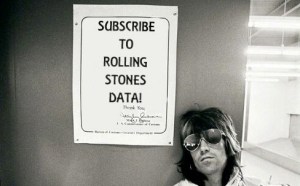
Subscribe to the Stones Data newsletter and get all daily posts delivered to you for free. Everybody got to go!
*Support this site and help us keep sharing great content. Thanks in advance!