

Keith Richards emphasizes that knowing the blues is essential for guitarists, as it underpins rock music’s essence, authenticity, and emotional depth, forming the foundation for impactful music creation.
Keith Richards emphasizes that knowing the blues is essential for guitarists, as it underpins rock music’s essence, authenticity, and emotional depth, forming the foundation for impactful music creation.

Mick Jagger’s experiences in late ’70s New York inspired the raw, fast-paced rock of the Some Girls album, characterized by punk influences and street-smart themes, rejecting disco aesthetics.

Mick Jagger and Keith Richards reflect on their chaotic yet meaningful experience at Live Aid 1985, emphasizing the event’s purpose of raising awareness for world hunger despite technical difficulties and lack of pay.

Mick Jagger embraces his intimidating image, humorously acknowledging his “evil face” that led to villainous film offers. His persona captivates fans, blending charm and menace, making him an iconic figure.

Keith Richards reminisces about Ian Stewart’s boogie-woogie piano skills that captivated him in 1962, noting Stewart’s vital yet understated role as a founding member of the Rolling Stones.

Marianne Faithfull asserts her individuality, stating her worth isn’t defined by The Rolling Stones or any rumors. She emphasizes authenticity and personal expression as true sources of influence and legacy.

Chelsea’s 102 Edith Grove served as The Rolling Stones’ creative hub, where Mick, Keith, and Brian crafted their iconic sound through late-night jams and chaos, igniting their legendary musical journey.

Mick Jagger emphasizes the addictive nature of live performances and the importance of balance. Pacing oneself enhances the thrill, ensuring that each show remains fresh and engaging for both artists and audiences.

In 2018, Keith Richards described his temporary sobriety as a “novel” experiment, emphasizing curiosity over permanence. He approached it as a playful exploration rather than a definitive lifestyle change.

Bill Wyman’s return to The Rolling Stones in 2012 for two songs showcased nostalgia but lacked a full comeback, with Wyman feeling limited by minimal rehearsal and support from Charlie Watts.

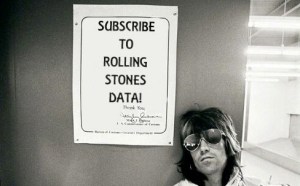
Subscribe to the Stones Data newsletter and get all daily posts delivered to you for free. Everybody got to go!
*Support this site and help us keep sharing great content. Thanks in advance!