

The Rolling Stones’ alternate take of ‘I Want to Be Loved’ showcases their early energy, reflecting their transition from obscurity to stardom as they blended blues authenticity with youthful urgency in 1963.
The Rolling Stones’ alternate take of ‘I Want to Be Loved’ showcases their early energy, reflecting their transition from obscurity to stardom as they blended blues authenticity with youthful urgency in 1963.

The Rolling Stones’ remastered Exile on Main St. combines original tracks with modern touches, celebrating their imperfect legacy while reflecting on the band’s creative tension and enduring appeal.

The Rolling Stones head to Morocco for ‘Continental Drift’, reconnecting with Brian Jones’ musical past—and Keith Richards makes the opening sound with a knife and bicycle wheel.

The Rolling Stones’ song ‘It’s Only Rock’N Roll (But I Like It)’ was crafted in 1973, featuring contributions from prominent artists. Released in 1974, it reflected their response to critical pressures, though it achieved limited commercial success.

The Rolling Stones’ ‘(Walkin’ Thru The) Sleepy City’ marked a pop departure in 1964, showcasing experimentation with lighter sounds, despite failing to achieve lasting impact or excitement in their catalog.

‘Surprise, Surprise’ showcases The Rolling Stones’ early experimentation with sound, blending youthful energy and catchy melodies as they transitioned from the Merseybeat influence towards their defining rock identity.

Who was ‘Miss Amanda Jones’? The Rolling Stones turned a mysterious Swinging London figure into one of Between the Buttons’ strangest little character studies.

‘Feel On Baby’ showcases The Rolling Stones’ deep embrace of reggae, reflecting Keith Richards’ admiration for Jamaican music. The track blends sultry rhythms and authentic island influences, showcasing a unique genre experiment.

The Rolling Stones turn a ‘Brand New Car’ into something far more seductive than transportation, blending classic blues influences with the sly groove of Voodoo Lounge.

The Rolling Stones’ ‘Have You Seen Your Mother, Baby, Standing in the Shadow?’ epitomizes their mid-’60s experimentation, blending raw sound with bold brass, showcasing their defiance against commercial norms.

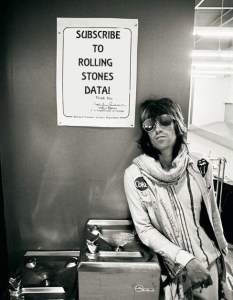 Subscribe to Stones Data here and get all posts delivered to you for free. Everybody got to go!
 Stones Data on Substack