

A dark vision of London meets an unexpectedly funky groove as Mick Jagger helps turn ‘Rain Fall Down’ into one of the Stones’ strangest later songs.
A dark vision of London meets an unexpectedly funky groove as Mick Jagger helps turn ‘Rain Fall Down’ into one of the Stones’ strangest later songs.

‘Sad Day’ by The Rolling Stones captures a blend of irony and heartbreak, reflecting emotional turmoil and confusion post-breakup, emphasizing the band’s evolving style during a transitional period in their career.

‘Turd on the Run’ turns betrayal, chaos and frantic blues into one of Exile on Main St.’s most overlooked blasts of Stones mayhem.

‘Time Is on My Side’ evolved from a jazz piece into a rock classic, achieving iconic status through The Rolling Stones’ adaptation, marking their first U.S. Top 10 hit in 1964.

The Rolling Stones imagined ‘2000 Man’ in 1967—where the future feels like paperwork, numbers replace names, and even intimacy sounds suspiciously mechanical.

The Rolling Stones’ take on ‘Mercy Mercy’ explores their 1965 soul cover, Don Covay’s original and how the Stones gave the song a heavier, tougher edge.

‘I Wanna Be Your Man’, gifted by Lennon/McCartney to the Rolling Stones, became a pivotal song that showcased their transition from blues covers to original music, igniting their songwriting journey.

The Rolling Stones’ rendition of ‘Just Like I Treat You’ showcases their deep-rooted connection to blues, blending rhythmic energy and emotional honesty while honoring Willie Dixon’s original poignant themes.

Barbara Lynn’s ‘Oh Baby (We Got A Good Thing Goin’)’ reflects her blues roots and success, while The Rolling Stones’ energetic cover transformed its sound, marking a significant evolution in their artistic journey.

The Rolling Stones’ alternate take of ‘I Want to Be Loved’ showcases their early energy, reflecting their transition from obscurity to stardom as they blended blues authenticity with youthful urgency in 1963.

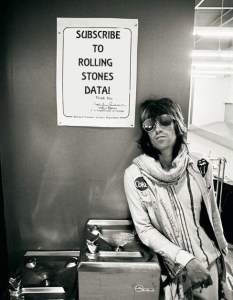 Subscribe to Stones Data here and get all posts delivered to you for free. Everybody got to go!
 Stones Data on Substack