

The Rolling Stones recorded an unreleased version of Robert Johnson’s ’32-20 Blues’ in 1972, showcasing their blend of gritty Delta blues and rock attitude, highlighting their blues influences.
The Rolling Stones recorded an unreleased version of Robert Johnson’s ’32-20 Blues’ in 1972, showcasing their blend of gritty Delta blues and rock attitude, highlighting their blues influences.

‘Curtis Meets Smokey’ is an unreleased Rolling Stones jam from 1969, blending soulful grooves with tribute to Curtis Mayfield and Smokey Robinson, showcasing the band’s playful creativity during a pivotal era.

In May 1968, The Rolling Stones recorded ‘Blood Red Wine’, an unreleased track blending melancholy vocals, acoustic guitar, and piano, embodying their creative rebirth during the Beggars Banquet sessions.

‘You Got Away with Murder’, an unreleased Rolling Stones track from 1993, captures Mick Jagger and Keith Richards’ tentative reconnection during the Voodoo Lounge sessions, revealing a moment of creative exploration and untapped possibilities.

‘Eliza Upchink’, an unreleased Rolling Stones track from 1982, showcases the band’s experimental side during Undercover sessions, blending playful riffs and laughter, reflecting their creative spontaneity in the studio.

The unreleased alternate take of ‘Had It With You’ reveals the Rolling Stones’ internal tensions during the fractured Dirty Work sessions, transforming personal conflict into raw, honest musical expression.

‘Hey Crawdaddy’, an unreleased Rolling Stones track, served as a ritual farewell reflecting the band’s transition from club performers to emerging icons during their memorable April 1965 Paris concert.

‘Never Make Me Cry’ is an unreleased Rolling Stones track from the Some Girls sessions, showcasing a softer, introspective side of the band with mellow guitars and gentle vocals, highlighting their musical versatility.

‘Train Song’, an unreleased Rolling Stones track, showcases an emotional, raw moment from the 1977 Some Girls sessions, revealing vulnerability before evolving into ‘All About You’ for 1980’s Emotional Rescue.

‘Jah Is Not Dead’ shows the Rolling Stones’ reggae evolution, blending acapella spirituality and fiery guitar work, inspired by the film Rockers and featuring Max Romeo and Boz Scaggs.

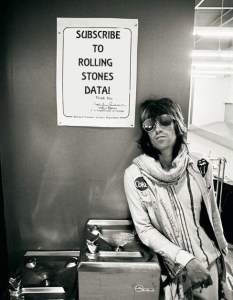 Subscribe to Stones Data here and get all posts delivered to you for free. Everybody got to go!
 Stones Data on Substack