

The Rolling Stones electrified Honolulu with a vibrant performance, showcasing dramatic flair and musical versatility. Jagger and Richards captivated 8,500 fans, marking a lively continuation of their dynamic tour.
The Rolling Stones electrified Honolulu with a vibrant performance, showcasing dramatic flair and musical versatility. Jagger and Richards captivated 8,500 fans, marking a lively continuation of their dynamic tour.

The Rolling Stones achieved significant popularity in Liverpool after performing at the Cavern Club and collaborating with the Beatles on their hit ‘I Wanna Be Your Man’, showcasing shared musical passions.

In his last interview in 1969, Brian Jones expressed vulnerability and defiance, revealing his separation from The Rolling Stones and dreams of musical independence before his untimely death days later.

In March 1976 rumors suggested The Rolling Stones might embark on a farewell tour, sparking speculation about internal tensions and the band’s future. It ultimately proved to be another chapter in their career.

The Rolling Stones are creating a buzz in London, appealing greatly to teens and dividing adult opinions with their unique sound, impressive attendance records, and commercial success in rhythm and blues.

Mick Taylor announced no dress-rehearsal for a Beatles appearance at the Stones’ Hyde Park concert. Despite this, both bands’ legacies linger, highlighting missed opportunities in rock history.

The Rolling Stones held a secretive press conference discussing their upcoming film, addressing misconceptions, and sharing their thoughts on fame, music evolution, and life as performers, while engaging humorously with reporters.

Mick Taylor unexpectedly left the Rolling Stones, shocking Mick Jagger, who was unaware of Taylor’s personal struggles. The band now searches for a new guitarist while planning a new tour.

In 1968, The Rolling Stones planned a bizarre Africa movie directed by Donald Cammell, featuring Mick Jagger and Keith Richards, yet it ultimately remained unfinished chaos with no official release.

Emotional Rescue showcases the Rolling Stones’ familiar sound with themes of desire and disillusionment. While it captures chaotic charm, it lacks the vitality of earlier works, leaving a hollow impression.

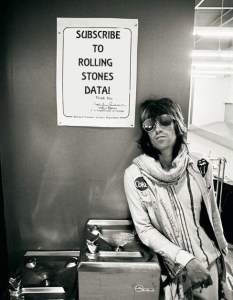 Subscribe to Stones Data here and get all posts delivered to you for free. Everybody got to go!
 Stones Data on Substack