

Bill, a member of the Rolling Stones, displays a laid-back demeanor amid chaos, blending humor with musical talent. His unexpected journey from a regular job to rock stardom defines his unique character.
Bill, a member of the Rolling Stones, displays a laid-back demeanor amid chaos, blending humor with musical talent. His unexpected journey from a regular job to rock stardom defines his unique character.

The Rolling Stones’ 1964 book ‘Our Own Story’ offers an intimate look into their lives and career, featuring unpublished insights, personal anecdotes, and exclusive photographs, highlighting their unconventional journey.

In the chaotic ’70s, Keith Richards and Anita Pallenberg navigated life filled with drugs, scandals, and reckless behavior, provoking outrage from the blind community after Richards’ controversial court-mandated benefit concert.

The Rolling Stones held a lively press conference in New York, discussing topics like free concerts and Vietnam. They announced a San Francisco free concert on December 6, showcasing their usual charisma.

The Record Mirror’s 1972 review of The Rolling Stones’ Exile on Main St. praised its raw energy, blending rock, blues, and gospel, marking a pivotal moment in the band’s influential career.

Mick Jagger remains largely unchanged since his school days, exhibiting stubbornness and unpredictability. Despite fame, he retains his rebellious spirit and chaotic lifestyle, still relishing music and avoiding early mornings.

Buddy Holly’s ‘Not Fade Away’, recorded in 1957, combines energetic rhythms with enduring love themes. The Rolling Stones’ 1964 cover showcased their distinct style, propelling them to rock icon status.

The Rolling Stones secured a $1 million writing deal for Mick Jagger and Keith Richards while facing potential setbacks on their anticipated film Only Lovers Left Alive. Future prospects remain uncertain.

In an interview, Mick Jagger reflects on the Rolling Stones’ enduring success, discussing the music industry, songwriting, competition, and his views on fame, movies, and rock culture.

Pye Records offered the Rolling Stones a strong deal to switch labels as their Decca contract nears expiration. Noteworthy artists have found success under Pye, solidifying its influential music legacy.

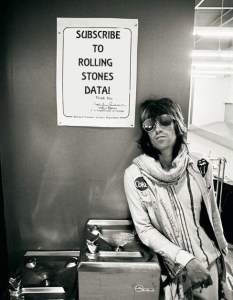 Subscribe to Stones Data here and get all posts delivered to you for free. Everybody got to go!
 Stones Data on Substack