

Keith Richards emphasizes a present-focused approach to songwriting, valuing instinct over strategy. His partnership with Mick Jagger thrives on spontaneity, keeping The Rolling Stones’ music fresh and relevant.
Keith Richards emphasizes a present-focused approach to songwriting, valuing instinct over strategy. His partnership with Mick Jagger thrives on spontaneity, keeping The Rolling Stones’ music fresh and relevant.

The unreleased Rolling Stones track ‘She’s Doing Her Thing’ recorded in 1967 during Their Satanic Majesties Request sessions, offers a glimpse into the band’s experimental phase, highlighting its unique sound and charm.

‘Try a Little Harder’ captures the Rolling Stones’ early songwriting struggles, emphasizing direct emotion and persistence but lacking depth. Its eventual release reflects a journey of trial and error in their development.

The Rolling Stones performed their first-ever concert in Uruguay on February 16, 2016, at Estadio Centenario, delivering an electrifying set, engaging fans with a mix of classic hits and special surprises.

February 16 marks significant milestones in Rolling Stones history, reflecting their evolution from early gigs to global dominance, showcasing cultural impact, collaborations, and enduring appeal through decades of performances and events.

Rolling Stones quotes: How Mick Jagger First Encountered “Jungle Music” Mick Jagger and the Power of “Jungle Music” Picture a young Mick Jagger, barely a teenager, caught in the thrall of a […]

The Rolling Stones’ ‘Gimme Shelter’ encompasses a documentary and a compilation album, differing in emotional depth and focus, with the film capturing chaos of Altamont and the album presenting curated music.

Chris Jagger’s 1974 album, The Adventures of Valentine Vox, features diverse musical styles with various guest musicians. Despite its artistic merit and lively tracks, it did not achieve mainstream success, highlighting Jagger’s unique identity apart from Mick.

Mick Jagger, fluent in French, enhances The Rolling Stones’ European concerts with personal interactions, jokes, and banter, creating memorable experiences that deepen audience connections beyond the music.

The Rolling Stones’ unreleased 1979 cover of ‘Sweet Home Chicago’ reinterprets Robert Johnson’s classic, blending raw energy and respect for blues, showcasing their connection to the genre’s roots and emotional depth.

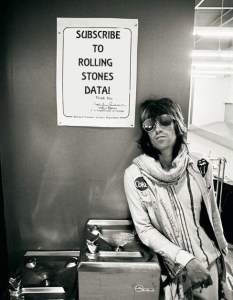 Subscribe to Stones Data here and get all posts delivered to you for free. Everybody got to go!
 Stones Data on Substack