

The unreleased instrumental version of ‘Let It Loose’ offers a glimpse into The Rolling Stones’ creative chaos during 1971, highlighting raw emotions and textures without vocals, revealing their artistic evolution.
The unreleased instrumental version of ‘Let It Loose’ offers a glimpse into The Rolling Stones’ creative chaos during 1971, highlighting raw emotions and textures without vocals, revealing their artistic evolution.

‘We’re Wastin’ Time’ by The Rolling Stones is a forgotten, melancholic hybrid of pop and country, featuring session musicians like Big Jim Sullivan and Jimmy Page, showcasing the creativity of 1960s studio sessions.

On August 27 throughout Rolling Stones history significant performances occurred in various locations from 1963 to 2006, showcasing iconic songs and their evolution over the decades.

In 1971 the Rolling Stones launched their own label, Rolling Stones Records, gaining creative control and financial benefits. Their iconic album Sticky Fingers symbolized their newfound independence and legacy.

In August 1981 Mick Jagger announced a monumental Rolling Stones tour, generating $50 million and captivating 2.5 million fans with theatrical performances and vibrant visuals across the United States.

‘Honky Tonk Women’ de los Rolling Stones, inspirada en un viaje a Brasil en 1968, fusiona blues-rock y experiencias personales, convirtiéndose en un himno icónico y representativo de la banda.

When the Rolling Stones stepped back into the studio in early 1969, they weren’t just refreshed from vacation—they were charged with new creative energy. Out of that spark came Midnight Rambler, one of the band’s most unsettling songs.

On August 26 notable events in Rolling Stones history include various performances and a 1981 tour announcement by Mick Jagger, emphasizing their commitment to touring and recording music.

Mick Jagger views music as a powerful force capable of elevating emotions, though these transcendent moments are rare. The unpredictability of music’s impact keeps both fans and artists continually searching for that magic.

In a 1970 interview Mick Jagger emphasized his commitment to The Rolling Stones, rejecting solo aspirations and reinforcing the band’s collective dynamic. He asserted that their unity was more important than individual recognition or success.

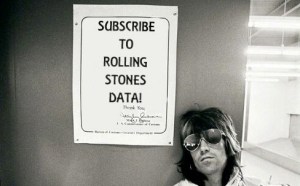
Subscribe to the Stones Data newsletter and get all daily posts delivered to you for free. Everybody got to go!
*Support this site and help us keep sharing great content. Thanks in advance!