

Phil Spector, Gene Pitney, The Hollies, cognac and a very rude Rolling Stones recording session—’Mr. Spector and Mr. Pitney Came Too’ was never meant to behave.
Phil Spector, Gene Pitney, The Hollies, cognac and a very rude Rolling Stones recording session—’Mr. Spector and Mr. Pitney Came Too’ was never meant to behave.

«Love Is Strong» de los Rolling Stones: la historia detrás de la canción de 1994, la idea de Keith Richards, la voz de Mick Jagger y su gigantesco videoclip.

‘Waiting on a Friend’ took nearly a decade to find its final form. Discover how an unfinished 1972 track became one of the Stones’ most unexpected songs.

From Prestatyn to Detroit, August 31 delivered controversial singles, Goats Head Soup, Mick Jagger’s solo work, and two major Rolling Stones tours.

In 1976, Mick Jagger delivered an unexpectedly blunt verdict on The Rolling Stones: people had overestimated them. But what did he really mean?

The Rolling Stones recorded more than one version of ‘Lies’ during the Some Girls sessions. This unreleased 1978 take reveals what happened before the familiar version emerged.

Una boda condenada al desastre, un novio desesperado y una escapatoria maravillosamente retorcida: ‘Dear Doctor’ muestra a The Rolling Stones convirtiendo el desamor country en comedia.

The Rolling Stones rarely get credited for subtle soul, but ‘Keys to Your Love’ quietly proves they had another trick up their sleeve—and never even played it live.

The Rolling Stones’ Miami 2019 concert looked like another night on tour. In hindsight, it was something far more significant: Charlie Watts’ final show.

August 30 gave The Rolling Stones everything from early theatre gigs to Keith Richards’ bizarre family story—and Charlie Watts’ final Stones show.

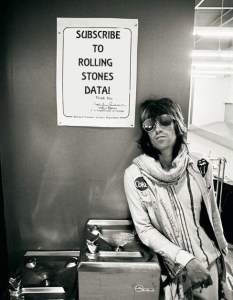 Subscribe to Stones Data here and get all posts delivered to you for free. Everybody got to go!
 Stones Data on Substack