

‘Yesterday’s Papers’ by The Rolling Stones evolved through various stages, marked by Jagger’s emotional lyrics reflecting his relationship upheaval, and unique instrumentation that showcased the band’s evolving sound and artistry.
‘Yesterday’s Papers’ by The Rolling Stones evolved through various stages, marked by Jagger’s emotional lyrics reflecting his relationship upheaval, and unique instrumentation that showcased the band’s evolving sound and artistry.

‘2120 South Michigan Avenue’ by The Rolling Stones is a renowned studio jam, originally shortened due to EP constraints. A 1982 release featured the full version, showcasing the band’s improvisational talent.

Mick Jagger diminishes his own importance, highlighting the contrast between celebrity and reality, suggesting his iconic status is largely a media construct rather than his personal achievement or ego.

In 1979 Keith Richards performed with the Rolling Stones at benefit concerts following his heroin possession plea, offering blind fans their first live experience, despite mixed community reactions and legal drama surrounding the band.

David Bailey, an iconic photographer of the ’60s, profoundly influenced The Rolling Stones’ visual identity through his captivating portraits and album covers, cementing their status as rock legends.

In May 1986 the Rolling Stones, in a relaxed interview with Molly Meldrum, shared personal stories and humor on The Meldrum Tapes, offering fans an intimate look at their personalities.

Forget the stadium swagger—The Rolling Stones turned a trash can into a drum kit for ‘Moon Is Up’. Dive into the bizarre, echo-drenched experiment that defied every rock convention.

April 15, 1972: It is reported that Mick has accepted the part of Billy The Kid in a film version of Michael McLure’s controversial stage play, The Beard based on an imaginary meeting between Billy The Kid and Jean Harlow.

This Rolling Stones’ unreleased alternate take of ‘Jiving Sister Fanny’ featuring Mick Taylor’s impactful guitar and Nicky Hopkins’ piano, showcases Taylor’s significant yet often uncredited influence on the band’s evolving sound.

‘As Tears Go By’, a ballad by Mick Jagger and Keith Richards, contrasts the Stones’ rough image, showcasing emotional depth and melancholy, later popularized by Marianne Faithfull’s hit version.

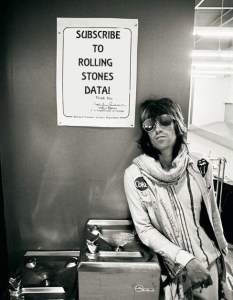 Subscribe to Stones Data here and get all posts delivered to you for free. Everybody got to go!
 Stones Data on Substack