

In April 1979 the Rolling Stones transformed a court mandate into legendary charity concerts in Oshawa, captivating fans and marking their last two-show day, embodying rock history and resilience.
In April 1979 the Rolling Stones transformed a court mandate into legendary charity concerts in Oshawa, captivating fans and marking their last two-show day, embodying rock history and resilience.

April 22 highlights the Rolling Stones’ blend of chaos and creativity, showcasing pivotal moments from their history, including legal victories and collaborations that redefined rock culture and solidified their legacy.

Charlie Watts reflects on Keith Richards’ struggles with heroin during the chaotic 1970s, highlighting their enduring bond and the band’s unity amidst addiction and pressure, which contributed to their lasting legacy.

Peter Whitehead significantly shaped the visual identity of The Rolling Stones in the 1960s, creating innovative films that captured the band’s essence and the rebellious spirit of the era.

‘High Temperature’ is an unreleased Rolling Stones track from 1985, showcasing their blues roots with gritty vocals and powerful musicianship, capturing the band’s intensity during the Dirty Work era.

‘Child of the Moon’ es una joya hipnótica de los Rolling Stones, una despedida a la psicodelia, llena de misterio y simbolismo, que sigue siendo poco conocida en su catálogo.

‘Fortune Teller’, written by Allen Toussaint, showcases The Rolling Stones’ early evolution, blending playful storytelling with a darker rock sound, making it a fascinating part of their nearly lost discography.

April 21 in Rolling Stones history spans a 1962 jam, the 1976 Black and Blue boycott, Keith Richards’ 2007 family loss, and Mick Jagger’s 2017 guest appearances.

Keith Richards initially dismissed solo albums but later proved his prowess with ‘Talk Is Cheap’, showcasing his songwriting and leadership while heightening his rivalry with Mick Jagger and asserting his artistic identity.

In 1964 The Rolling Stones faced criticism from the National Federation of Hairdressers for their rebellious hairstyles, which became symbols of youth identity and resistance, boosting their anti-establishment image.

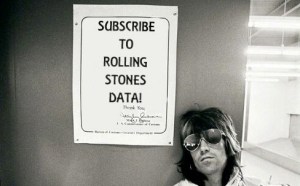
Subscribe to the Stones Data newsletter and get all daily posts delivered to you for free. Everybody got to go!
*Support the site and help me keep sharing great content. Thanks in advance!