

‘Child of the Moon’ by The Rolling Stones is a psychedelic B-side, showcasing meticulous crafting and dreamlike lyrics, released in 1968.
‘Child of the Moon’ by The Rolling Stones is a psychedelic B-side, showcasing meticulous crafting and dreamlike lyrics, released in 1968.

Mick Jagger’s ‘Sympathy for the Devil’ transforms dark human impulses into art, blending history, satire, and spontaneous creativity.
Ditch the Satanic angle—The Rolling Stones’ masterpiece ‘Sympathy for the Devil’ shows Mick Jagger reflecting humanity’s dark side. Inspired by Mikhail Bulgakov’s book The Master and Margarita, the devil becomes a witty, stylish trickster in this sharp, risky rock anthem.

The Rolling Stones have returned to their untamed roots, rehearsing in Surrey with Mick Jagger sarcastically addressing their future live performances while new producer Jimmy Miller joins the chaotic process.

This Rolling Stones’ unreleased alternate version of ‘Family’, recorded in 1968, offers a raw look at their creative evolution, showcasing their experimental sound and songwriting transformation during this era.

In the turbulent year of 1968, the Rolling Stones captured the spirit of chaos in their incendiary track Street Fighting Man. The inspiration struck Mick Jagger after he attended a massive protest at…

Brian Jones’ slide guitar gives ‘No Expectations’ its ache. But knowing this was one of his final great moments with the Stones makes every note feel strangely final.

‘Jumpin’ Jack Flash’, the classic 1968 hit by the Rolling Stones, signifies a shift from the band’s psychedelic phase to a raw rock sound. The song’s lyrics depict a defiant character embodying survival amidst trauma. Its compelling riff, created by band members during idle studio time, laid the foundation for this iconic anthem.

Mick Jagger discusses the release of ‘Jumpin’ Jack Flash’ during a revealing visit to the Rolling Stones’ London office, expressing measured expectations for the single’s success despite his personal concerns.

This Rolling Stones’ unreleased ‘Parachute Woman’ demo showcases a raw, blues-infused version from 1968, revealing the band’s early sound and energy before refining the track for Beggars Banquet.

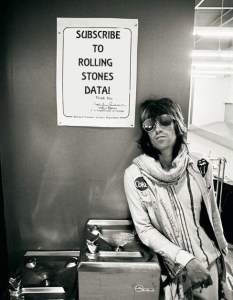 Subscribe to Stones Data here and get all posts delivered to you for free. Everybody got to go!
 Stones Data on Substack