

On May 12 1968 The Rolling Stones electrified the NME Poll Winners Concert, performing (I Can’t Get No) Satisfaction and debuting Jumpin’ Jack Flash, marking a pivotal moment as Brian Jones’s last public performance.
On May 12 1968 The Rolling Stones electrified the NME Poll Winners Concert, performing (I Can’t Get No) Satisfaction and debuting Jumpin’ Jack Flash, marking a pivotal moment as Brian Jones’s last public performance.

In 1968 The Rolling Stones’ promotional films for ‘Child of the Moon’ and ‘Jumpin’ Jack Flash’ explored darker, psychedelic themes, reflecting a complex narrative of paranoia and alienation in the era.

‘Jig-Saw Puzzle’ finds The Rolling Stones at their most unpredictable—surreal, chaotic, and oddly compelling, turning fragmented scenes into a drifting narrative that refuses to explain itself.

‘Memo from Turner’ es una poderosa canción de los Rolling Stones, interpretada por Mick Jagger en la película Performance, destacando por su audacia, provocación y la tensión psicológica de la trama.

The 1968 Immediate Records compilation features Mick Jagger and Bill Wyman alongside Eric Clapton and Jimmy Page, showcasing raw British blues talent with moments of brilliance amid loose improvisation, reflecting a pivotal era.

Why did The Rolling Stones step away from Jagger-Richards? Prodigal Son reveals a surprising tribute that changed the mood of Beggars Banquet.

The Rolling Stones announced their intention to form a record label, Mother Earth, in 1968, but it never launched. Instead, they established Rolling Stones Records in 1970, securing creative control.

Mick Jagger’s ‘Sympathy for the Devil’ blends literary influences and historical themes, embodying a complex narrative voice that challenges conventional rock norms while exploring darker aspects of culture and existence.

In a 1968 interview with Eye magazine, Mick Jagger discussed The Rolling Stones’ evolution amidst fame, societal change, and their future direction, expressing rock music’s role in self-expression and hinting at artistic experimentation.

In 1968, the Rolling Stones’ ‘Street Fighting Man’ faced a radio ban due to its rebellious themes amid political turmoil, ultimately enhancing the song’s status as a counterculture anthem.

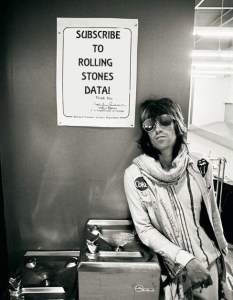 Subscribe to Stones Data here and get all posts delivered to you for free. Everybody got to go!
 Stones Data on Substack