

The unreleased alternate take of ‘You Got the Silver’ features Mick Jagger’s smoother vocals, contrasting with Keith Richards’ raw, emotional rendition, which ultimately shaped the song’s identity in the Rolling Stones’ catalog.
The unreleased alternate take of ‘You Got the Silver’ features Mick Jagger’s smoother vocals, contrasting with Keith Richards’ raw, emotional rendition, which ultimately shaped the song’s identity in the Rolling Stones’ catalog.

‘You Can’t Always Get What You Want’ de los Rolling Stones refleja la desilusión, capturando el final del optimismo de los años ’60. Sus capas complejas y su mensaje atemporal conectan con verdades universales sobre los deseos no cumplidos.

An alternate take of ‘Gimme Shelter’ features Keith Richards on vocals, transforming the classic into a personal confession reflecting inner turmoil and societal unrest during a chaotic era.

Jimmy Reed’s The Sun Is Shining’ embodies laid-back blues, blending warmth with melancholy. The Rolling Stones’ slowed rendition at Altamont 1969 contrasted its easygoing vibe with the festival’s chaos, highlighting a poignant cultural shift.

‘Let It Bleed’ by the Rolling Stones is a 1969 song blending blues-rock with themes of emotional dependency, drugs, and sex, showcasing the band’s spontaneous creativity and lasting legacy in music.

In his last interview in 1969, Brian Jones expressed vulnerability and defiance, revealing his separation from The Rolling Stones and dreams of musical independence before his untimely death days later.

Mick Jagger commemorated Brian Jones at the Rolling Stones’ Hyde Park concert on July 5, 1969, blending heartfelt tribute with vibrant performances, marking a transformative moment for the band.

Mick Taylor announced no dress-rehearsal for a Beatles appearance at the Stones’ Hyde Park concert. Despite this, both bands’ legacies linger, highlighting missed opportunities in rock history.

The December 1969 Altamont festival turned infamous when 18-year-old Meredith Hunter was killed by a Hells Angel, exposing violence, racial tension, and ending illusions of peace in rock culture forever.

The Rolling Stones record Stevie Wonder’s ‘I Don’t Know Why’ in 1969—but the song becomes forever connected to the shocking death of Brian Jones.

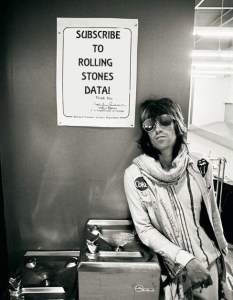 Subscribe to Stones Data here and get all posts delivered to you for free. Everybody got to go!
 Stones Data on Substack