

Back in ’76, the Rolling Stones stirred major controversy with their Black and Blue ads. A huge Sunset Boulevard billboard showed model Anita Russell tied up, with text like, “I’m ‘Black and Blue’… and I love it!”
Back in ’76, the Rolling Stones stirred major controversy with their Black and Blue ads. A huge Sunset Boulevard billboard showed model Anita Russell tied up, with text like, “I’m ‘Black and Blue’… and I love it!”

Controversy doesn’t follow the Rolling Stones—they chase it. While their music may offend some, nothing riles up the masses faster than one of their provocative album covers.

The Rolling Stones’ 1976 album Black and Blue received mixed reviews, reflecting a transitional phase for the band. Despite criticism of its cohesion, it achieved commercial success and has since gained appreciation for its stylistic diversity.

In 1976, The Rolling Stones embarked on a controversial European tour, showcasing their musical energy while Keith Richards faced scrutiny for his drug use. Despite accusations labeling him a “pusher,” Richards remained a vital performer, solidifying the band’s image as rock-and-roll outlaws while delivering captivating shows and iconic songs.

Bill Wyman’s second solo album, Stone Alone (1976), marks his departure from the Rolling Stones’ sound, showcasing his versatility across rock, blues, and pop. The album features personal lyrics and a mix of instruments, reflecting Wyman’s introspective thoughts on life and fame. Although not commercially successful, it has garnered a dedicated following.

In 1976, The Rolling Stones toured Germany, promoting their album Black and Blue. Their high-energy concerts featured new tracks blended with classics, showcasing the band’s evolving sound. These performances marked a cultural milestone, solidifying their status as icons of rebellion and freedom in post-war Germany.

Keith Richards humorously identifies as a “self-employed entertainer” on his 1976 passport, embodying a grounded, irreverent humor that defies rock star glamor. This phrase reflects not just his unique identity but also the rebellious spirit of The Rolling Stones, emphasizing a lifestyle that prioritizes freedom and personal expression over conformity.

‘Memory Motel’ by The Rolling Stones reflects a fleeting connection in a motel, intertwining romance and nostalgia. Jagger and Richards’ collaboration creates an expansive ballad that lingers with emotional depth.

The Rolling Stones in the press: “Swiss deal for Stones” (1976) *From the Melody Maker, England, May 22 1976 *Click for more YESTERDAY’S PAPERS By 1976, the Rolling Stones were deep into their […]

The Rolling Stones in the press: “Too Rolled to Stone? *From Creem magazine, USA, Aug. 1 1976*Click for more YESTERDAY’S PAPERS The Rolling Stones’ 1976 European tour was a wild ride—not exactly their […]

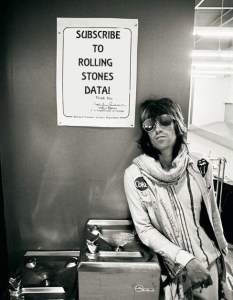 Subscribe to Stones Data here and get all posts delivered to you for free. Everybody got to go!
 Stones Data on Substack