

The Rolling Stones’ ‘Keep Up Blues’ shows their unmistakable swagger and raw blues influence, highlighting Mick Jagger’s theatrical vocals and the band’s dynamic interplay, capturing a vibrant moment of artistic rediscovery.
The Rolling Stones’ ‘Keep Up Blues’ shows their unmistakable swagger and raw blues influence, highlighting Mick Jagger’s theatrical vocals and the band’s dynamic interplay, capturing a vibrant moment of artistic rediscovery.

The Rolling Stones’ unreleased track ‘Light Up’, recorded during the 1977 Some Girls sessions, showcases their experimental spirit and musical evolution, featuring Ronnie Wood’s influential pedal steel guitar intertwined with diverse genres.

The Rolling Stones celebrated their album ‘Love You Live’ on September 27, 1977, blending music, art, and celebrity at Trax nightclub.

In fall 1977, the Rolling Stones recorded ‘Broken Head Blues’, a raw, unreleased track showcasing their blues roots and energetic improvisation, reflecting their creative spirit during the Some Girls sessions.
On September 27, 1977, Trax in NYC hosted a legendary party celebrating The Rolling Stones’ album Love You Live, blending rock, pop art, and iconic cultural moments crafted by Andy Warhol.

Mick Jagger embraces his intimidating image, humorously acknowledging his “evil face” that led to villainous film offers. His persona captivates fans, blending charm and menace, making him an iconic figure.

Mick Jagger chats about life with The Rolling Stones, new music, and dealing with fame. He expresses thoughts on marriage, future plans, and the music scene, keeping it real and down-to-earth.

‘The Man Who Killed Mick Jagger’ is a novel by author by David Littlejohn originally published in 1977 about a graduate student and social misfit who sets out to murder “the idol of his generation”.

This unreleased alternate take of ‘Some Girls’ showcases a raw, funkier sound with casual vocals, reflecting the Rolling Stones’ experimental phase during their 1977 Paris sessions, revealing their creative reinvention.

In 1977, after a heroin bust in Toronto, Keith Richards asserted the Rolling Stones’ resilience, proclaiming no obstacle could end the band, emphasizing their enduring spirit and commitment to music.

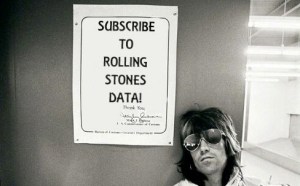
Subscribe to the Stones Data newsletter and get all daily posts delivered to you for free. Everybody got to go!
*Support this site and help us keep sharing great content. Thanks in advance!