

About The Rolling Stones’ Flowers cover art. Brian Jones’ flower was the only one without leaves. Was it a joke, a jab, or something fans later turned into an eerie prediction?
About The Rolling Stones’ Flowers cover art. Brian Jones’ flower was the only one without leaves. Was it a joke, a jab, or something fans later turned into an eerie prediction?

A gentle waltz, an accordion, and lyrics that sting. Back Street Girl hides one of The Rolling Stones’ most unsettling stories beneath its sweetest melody.

¿Por qué los Rolling Stones arriesgaron su rudeza con ‘My Girl’? Sumérgete en la tensión de estudio detrás de su experimento más extraño y audaz.

1966: The Rolling Stones twist R&B into something stranger on ‘Please Go Home’ with biting lyrics and a sound that hints at where they were heading next.

Why did The Rolling Stones risk their grit on Motown’s untouchable ‘My Girl’? Dive into the studio tension behind their most bizarre, high-stakes experiment in sonic identity.

‘Sittin’ on a Fence’ by The Rolling Stones captures the narrator’s resistance to social conformity and indecision, reflecting a philosophical skepticism toward settled lives amid a backdrop of mid-1960s cultural unease.

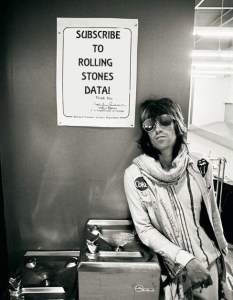 Subscribe to Stones Data here and get all posts delivered to you for free. Everybody got to go!
 Stones Data on Substack