

The Rolling Stones tackle Jimmy Reed’s ‘Baby, What’s Wrong’ in a raw 1963 recording that captures the band before the polish—and before the world caught up.
The Rolling Stones tackle Jimmy Reed’s ‘Baby, What’s Wrong’ in a raw 1963 recording that captures the band before the polish—and before the world caught up.

Before fame changed everything, the Stones tackled Bo Diddley with fearless energy. Hear the rough 1963 recording that stayed hidden for decades before finally surfacing.

En lugar de una vuelta de victoria, los Rolling Stones eligieron un estudio en París. ¿Por qué ‘One More Shot’ se convirtió en el himno desafiante que demostró su vigencia?

The Rolling Stones’ rendition of ‘Road Runner’, originally by Bo Diddley, transformed the classic into a vibrant rock anthem, encapsulating their early rebellious spirit while honoring their musical roots.
Instead of a victory lap, The Rolling Stones chose a Paris studio. Why did ‘One More Shot’ become the defiant anthem that proved their creative engine was still roaring?

The Rolling Stones’ alternate take of ‘I Want to Be Loved’ showcases their early energy, reflecting their transition from obscurity to stardom as they blended blues authenticity with youthful urgency in 1963.

‘Don’t Stop’, a Rolling Stones single released on December 16, 2002, showcases the band’s signature sound with a blend of gritty lyrics and energetic instrumentation. Written during Mick Jagger’s solo project, it became pivotal in their Licks World Tour, resonating with audiences.
Rolling Stones songs: Bright Lights, Big City Written by: Jimmy ReedRecorded: IBC Studios, London, England, March 11 1963From Martin Elliott’s book THE ROLLING STONES COMPLETE RECORDING SESSIONS 1962-2012:An impressive version of Jimmy Reed’s […]

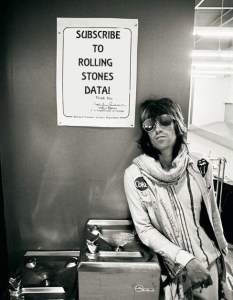 Subscribe to Stones Data here and get all posts delivered to you for free. Everybody got to go!
 Stones Data on Substack