

In 1997, Keith Richards and Charlie Watts reflect on replacing Bill Wyman with Darryl Jones in The Rolling Stones, blending nostalgia for Bill’s style with appreciation for Darryl’s talent and camaraderie.
In 1997, Keith Richards and Charlie Watts reflect on replacing Bill Wyman with Darryl Jones in The Rolling Stones, blending nostalgia for Bill’s style with appreciation for Darryl’s talent and camaraderie.

Keith Richards never claimed to invent rock guitar. See why he credited Chuck Berry with shaping the sound that fueled the Rolling Stones.

Keith Richards ranked Brian Jones, Mick Taylor, and Ronnie Wood very differently—and his reason had less to do with talent than with something far harder to explain.

Keith Richards once considered becoming a librarian. His thoughts on books and public libraries reveal a surprisingly thoughtful side of The Rolling Stones guitarist.

Keith Richards: discover what he said about The Rolling Stones’ ‘It’s Only Rock’n Roll’ artwork and its pointed message.

Keith Richards’ blue Bentley, ‘Blue Lena’, became a rolling symbol of rock ’n’ roll excess, tangled friendships, and notorious escapades—before its remarkable journey ended under the auctioneer’s hammer.

Keith Richards has a very Keith-like idea about music as art—and it has less to do with playing and everything to do with actually listening.

Mick Jagger and Keith Richards reveal why Buddy Holly mattered so much to The Rolling Stones—and why his songwriting left such a deep impression.

Keith Richards admitted he and Mick Jagger had plenty of explosive periods—but also moments of extraordinary cooperation. In 1981, he revealed what really kept the Glimmer Twins together.

Keith Richards has never been shy with an opinion. These 10 quotes reveal the wit, bluntness, and unexpected wisdom behind the Rolling Stones guitarist.

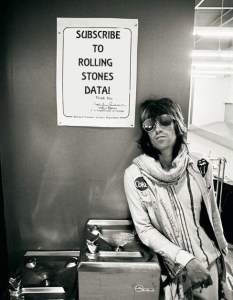 Subscribe to Stones Data here and get all posts delivered to you for free. Everybody got to go!
 Stones Data on Substack