

Mick Jagger’s early performances in suburban England showcased his fearless attitude and exaggerated movements, defying expectations and establishing the shock value that would define The Rolling Stones’ legendary stage presence.
Mick Jagger’s early performances in suburban England showcased his fearless attitude and exaggerated movements, defying expectations and establishing the shock value that would define The Rolling Stones’ legendary stage presence.

Keith Richards critiques the 1960s establishment’s overreaction to the Rolling Stones, exposing the fragility and insecurities of authority rather than portraying it as powerful. The era highlights authority’s vulnerabilities.

Keith Richards reflects on the Rolling Stones’ debut album, highlighting how limited resources in a small studio fostered creativity and authenticity, defining their raw sound that influences music today.

In 1973 Keith Richards jokingly claimed he had his blood changed in Switzerland to quit heroin. This humorous remark turned into a legendary myth within Rolling Stones lore, showcasing his playful defiance.

Keith Richards turns “laziness” into creative fuel, treating downtime as quiet space where music arrives naturally, guided by intuition, timing, and an almost effortless way of listening.

Keith Richards emphasizes the extraordinary energy and deep bond among The Rolling Stones. Despite challenges in reuniting, their synergy fuels creativity and keeps their legendary performances captivating over time.

Keith Richards inadvertently embarked on a solo career when Mick Jagger’s project pushed him to collaborate with new musicians, leading to the creation of the successful band X-Pensive Winos.

Keith Richards praises Jimi Hendrix as a unique musical genius whose extraordinary style cannot be replicated. Hendrix’s mastery brought chaos to brilliance, making him irreplaceable in the music world.

In 1978, Keith Richards showcased resilience amid chaos, focusing on songwriting for Emotional Rescue while navigating personal turmoil, the punk scene, and criticism about his reluctance to pursue solo endeavors.

Nils Lofgren’s 1975 tribute ‘Keith Don’t Go’ reflects heartfelt concern for Keith Richards amid his struggles with addiction, highlighting the emotional complexities and human connections in the rock landscape of the era.

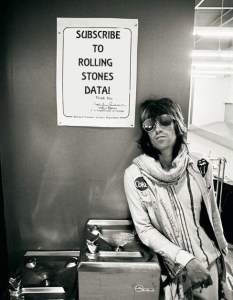 Subscribe to Stones Data here and get all posts delivered to you for free. Everybody got to go!
 Stones Data on Substack