

The Rolling Stones’ 1976 album Black and Blue marked a departure from their traditional sound, blending funk and reggae, receiving mixed reviews yet achieving commercial success and reflecting significant experimentation.
The Rolling Stones’ 1976 album Black and Blue marked a departure from their traditional sound, blending funk and reggae, receiving mixed reviews yet achieving commercial success and reflecting significant experimentation.

The Rolling Stones lead a chaotic yet normal life on tour, facing fan frenzy and personal challenges. Keith Richards discusses their creative process, drug struggles, and evolving music dynamics.

In 1974, despite breakup rumors and internal strife, the Rolling Stones continued to thrive, showcasing their enduring appeal and rock ‘n’ roll dominance, all while maneuvering through chaos and excess.

The Rolling Stones, once earning only £7 a week, now make between £200 and £250 weekly from their music. Despite newfound wealth, their focus remains on rhythm-and-blues rather than money. They indulge in comforts like fine hotels and clothing, yet Charlie Watts notes their earnings swiftly diminish. Brian Jones hints at enjoying cars, while Bill Wyman treasures a gourmet kitchen gadget setup.

Hit Parader’s 1974 coverage of The Rolling Stones’ 1973 European tour highlights the band’s electrifying performances, showcasing Mick Jagger’s charisma and Keith Richards’ guitar prowess. The tour marked a significant moment in rock history, demonstrating resilience and reinvention while connecting deeply with fans, leaving a lasting impact on the music scene.

The Rolling Stones in the press: “Keith Richard on Mick, Beatles, Led, Faith, Tull, Gees” *From the New Musical Express, December 6 1969*Click for more YESTERDAY’S PAPERS Rolling Stones’ Keith Richards Gets Candid […]

The Rolling Stones in the press: “New Barbarians: Stone-free and Rolling” *From Trouser Press magazine, USA, July 1979 *Click for more YESTERDAY’S PAPERS In 1979, Rolling Stones guitarist Ronnie Wood took a break […]

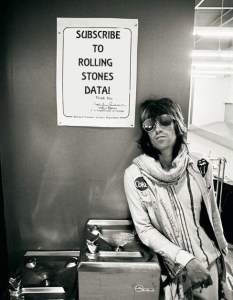 Subscribe to Stones Data here and get all posts delivered to you for free. Everybody got to go!
 Stones Data on Substack